For decades, Los Angeles has been synonymous with the car—freeways, traffic, and the endless hunt for parking. But a quiet revolution is underway, and it's happening at the bus stop and on the train platform. A new wave of riders, many of them young, creative, and digitally savvy, is redefining what it means to get around the city. They're not just using the Metro; they're celebrating it, and in the process, they're making public transit cool again.
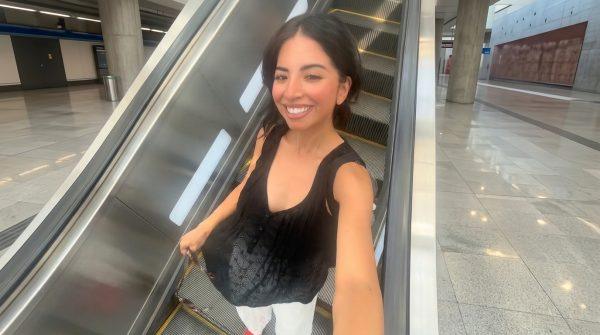
Take Julianna, the creator behind the popular handle Hot Girl Transit. After her car's engine gave out in June, she decided to give the bus and train a real shot—and she hasn't looked back. Living in West Hollywood, she's found that reaching downtown takes just 17 minutes on the Metro, compared to 40 minutes stuck in gridlock. For someone who's called LA home for 18 years, it's been a revelation. "I'm not anti-car," she says, "but the math is hard to ignore."
Julianna is part of a broader shift. With gas prices fluctuating and parking rates climbing, more Angelenos are questioning the car-centric lifestyle. The financial incentives are clear: a one-way Metro fare is just $1.75, with free transfers for up to two hours. Compare that to the cost of a lease, insurance, and fuel, and the savings add up quickly. "I can afford another car," Julianna admits, "but why would I?"
Safety and ridership on the rise
The trend isn't just anecdotal. According to the UCLA Institute of Transportation Studies, public perception of transit is shifting. The Los Angeles Metro reported a 6.7% decrease in violent crime across its system in 2025, the lowest level since 2021. At the same time, weekday ridership jumped 8.4% between June 2025 and mid-2026. These numbers suggest that as the system becomes safer, more people are willing to give it a try.
Local officials are also pushing to reduce car dependence. The county's One Car Challenge program offers households up to $600 to give up one vehicle for five weeks, encouraging walking, cycling, and carpooling. Meanwhile, the D Line extension is adding three new stops in Mid City, with future plans to reach Beverly Drive, Century City, and Westwood. These investments are making the Metro more accessible and more convenient for a wider swath of the city.
Creators share tips and build community
Digital creators are playing a big role in normalizing transit use. Alaina Graham documented a 90-minute bus ride from Santa Monica to West Hollywood for a night out, noting the savings on fuel even if the trip took longer. British creator Lucylovestransport, who has amassed over 600,000 views, points out that LA actually has a comprehensive rail network—something many locals don't realize. For actress Celine Milien, who moved from New York, convincing roommates to take the $1.75 ride instead of driving is a small victory. "It's about changing habits," she says.
Safety remains a top concern, and creators are quick to share practical advice: sit near the operator, keep your phone charged, and stay aware of your surroundings. These tips, shared across social media, help build confidence among new riders. And while some skeptics joke that these influencers must be paid by the city, Julianna laughs it off. "I'm not on anyone's payroll," she insists. "I just want people to see that this is a valuable resource."
The movement is also resonating with Latino communities across LA, who have long relied on public transit. For many, the Metro is not just a trend but a lifeline. As the city continues to grow, the conversation around mobility is becoming more inclusive, reflecting the diverse voices that make up Los Angeles. Whether it's a trip to Koreatown for tacos or a commute to Studio City for work, the Metro is becoming a space where culture and community intersect.
This shift isn't just about convenience—it's about reimagining what Los Angeles can be. As more people embrace the bus and train, the city's streets may become less congested, its air cleaner, and its residents more connected. And for a generation that values experiences over possessions, the Metro offers a way to be part of something bigger. As Julianna puts it, "It's not just about getting from A to B. It's about being part of the city."
For those looking to explore more of LA's transit scene, check out our guide to free Día de Muertos events that are easily accessible by Metro. And if you're curious about other local movements, read about Jaime Rosas' Chicano cycling brand, which is also redefining mobility in the city.