In households from Guadalajara to Bogotá, from Caracas to Los Angeles, the quinceañera remains one of the most anticipated milestones in a young Latina's life. It is a celebration that fuses ancient indigenous rites with Spanish colonial influence and deep Catholic faith, creating a unique tapestry of meaning that has evolved over centuries. While the external trappings may change—from grand ballroom receptions to intimate gatherings or even international trips—the core essence endures: honoring a young woman's transition from childhood into adulthood, wrapped in family pride and cultural identity.
Roots of a Timeless Tradition
Historians trace the origins of the quinceañera to pre-Columbian ceremonies in which young women were presented to their communities as adults, ready to take on new responsibilities. With the arrival of Spanish colonizers, these rites merged with Catholic traditions, particularly the celebration of a girl's fifteenth birthday as a marker of maturity and, historically, readiness for marriage. Over time, the quinceañera became a distinctly Latin American custom, celebrated with a thanksgiving Mass and a festive reception that showcases the family's heritage and social ties.
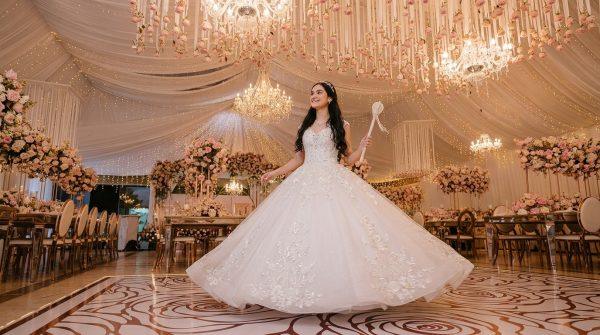
Today, the quinceañera is not merely a party; it is a declaration of identity. According to the Pew Research Center, Latino families in the United States and across the Americas view these celebrations as a way to reaffirm their roots and pass on cultural values to the next generation. The term itself refers both to the celebration and to the young woman at its center, who wears an elegant gown, a tiara, and often carries a bouquet, symbolizing her new status.
Symbols and Rituals
Every element of a traditional quinceañera carries deep meaning. The celebration typically begins with a Catholic Mass, where the quinceañera, accompanied by her parents and godparents, gives thanks for her life and seeks blessings for the future. The godparents, chosen for their spiritual and emotional guidance, often play a crucial role in financing and organizing the event, a gesture of love and support that strengthens family bonds.
During the reception, several rituals mark the transition. The cambio de zapatos, or shoe exchange, sees the quinceañera swap her flat shoes for high heels, symbolizing her step into womanhood. Another poignant moment is the última muñeca, or last doll, which she gives away to a younger sibling or relative, signifying the end of childhood. These customs, highlighted in cultural analyses by Vogue and the Smithsonian Latino Center, are performed with reverence and joy, often accompanied by heartfelt toasts and the famous waltz with her chambelán and court of honor.
Modern Adaptations
While many families still opt for the classic ballroom celebration with choreographed dances and elaborate decorations, others are reimagining the quinceañera to reflect their daughters' personalities and contemporary realities. Some choose to travel to their ancestral homeland, turning the milestone into a cultural immersion experience. Others organize community service projects or intimate gatherings with close friends and family, focusing on meaningful connection rather than extravagance.
This flexibility is a testament to the tradition's resilience. In the United States, where Latino communities are diverse and dynamic, the quinceañera has become a way to navigate dual identities—honoring heritage while embracing American life. As Latino economic and cultural influence grows, these celebrations also serve as a vibrant expression of community pride.
Preserving Heritage for Future Generations
For many immigrant families, the quinceañera is a powerful link to their roots. It is a promise to keep traditions alive in a new land, ensuring that daughters and granddaughters know where they come from. As one mother from México City, now living in Texas, puts it: "The quinceañera is not just a party; it's a way to tell my daughter, 'This is who you are, and this is where you come from.'"
In an era of rapid change, the quinceañera remains a constant, adapting without losing its soul. Whether celebrated with a grand fiesta or a quiet ceremony, it is a testament to the enduring power of family, faith, and cultural pride. As Latino identities continue to evolve, this tradition will undoubtedly keep transforming, but its heart will always beat to the rhythm of the Americas.