For generations, coming out has been portrayed as the defining milestone in the LGBTQ experience. But for many LGBTQ Americans today, living authentically is less about a single announcement and more about the everyday freedom to be themselves. It can mean introducing a partner without hesitation, feeling comfortable at work, expressing personal identity without judgment, or simply moving through the world without having to explain who they are. While visibility and representation have helped reshape conversations around identity, the meaning of authenticity continues to evolve beyond labels and milestones.
That evolution is especially meaningful for LGBTQ Latinos, whose experiences often intersect with cultural traditions, family expectations, language, and community ties. For some, embracing their identity means finding ways to honor their heritage while challenging long-held assumptions about gender and sexuality. For others, it means building chosen families, discovering supportive spaces, or having conversations that previous generations may never have felt comfortable starting. There is no universal timeline or definition of what living openly should look like, and increasingly, that individuality is becoming part of the conversation.
Everyday fulfillment and supportive environments
Living authentically today means thriving in workplaces, social circles, and family structures that honor individual identity with grace and kindness. This meaningful shift allows individuals to direct their energy toward personal aspirations, creative endeavors, and healthy relationships, reinforcing the vital understanding that true community progress is measured by how safely and freely people can flourish in their daily routines. Surrounded by compassionate allies and strong support systems, individuals find the resilience needed to navigate life challenges while inspiring others to pursue their own paths of self-acceptance and personal truth.
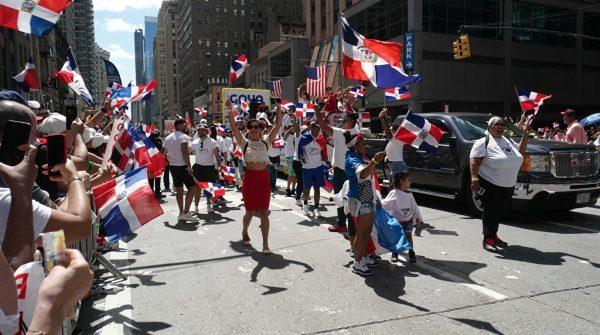
For many Latinos, this sense of support often comes from la familia—both the one we're born into and the one we choose. In cities like Los Angeles, Miami, and New York, LGBTQ Latinos are creating spaces where they can celebrate their culture and their identity simultaneously. From quinceañeras that honor a young person's true self to community gatherings that blend traditional music with modern expressions of pride, these moments are redefining what it means to be both Latino and LGBTQ.
Harmonious integration across all life stages
The contemporary journey invites everyone to embrace diversity as a natural and enriching element of our shared human experience. By normalizing authentic self-expression across all ages and backgrounds, society grows more compassionate, empowering individuals to move forward with quiet confidence and pride as they build lives anchored in mutual respect, belonging, and enduring peace of mind. Cultivating open conversations and inclusive spaces allows communities to dismantle lingering prejudices, ensuring that every person feels valued, protected, and genuinely appreciated for who they are.
This integration is particularly visible in the arts, where Latinx creators are telling their own stories. From the vibrant murals of East Los Angeles to the stages of Buenos Aires and Mexico City, artists are using their work to explore the intersections of identity, culture, and sexuality. These expressions not only validate the experiences of LGBTQ Latinos but also educate and inspire broader audiences, fostering a deeper understanding across generations.
Inspiring future generations through self-acceptance
Ultimately, living authentically is not about meeting society's expectations of what LGBTQ visibility should look like. It is about having the confidence, support, and opportunity to define a fulfilling life on one's own terms. As conversations around equality, health, and inclusion continue to evolve, the focus is expanding from celebrating individual moments of courage to creating communities where people can thrive every day. Because the real measure of progress is not simply how many people feel comfortable sharing who they are, but how many can live fully, safely, and with a genuine sense of belonging.
For LGBTQ Latinos, this journey is deeply personal and often intertwined with cultural pride. It means being able to speak Spanish with a partner without fear, dancing salsa at a family gathering with the same freedom as anyone else, and knowing that your identity is not a contradiction but a beautiful part of your heritage. As more Latinos share their stories—from activists in the streets of Bogotá to professionals in the corridors of Washington, D.C.—they are paving the way for younger generations to live openly and proudly.
This shift is also reflected in the broader Latino community's growing acceptance. While challenges remain, particularly in more conservative regions, the trend is toward greater understanding and solidarity. Events like Shakira and Laura Pausini's Madrid reunion remind us of the power of friendship and allyship across cultures, while Venezuelans reshaping U.S. migration highlight the diverse experiences within our community. These stories, along with Latino voters prioritizing cost of living, show that our community is multifaceted and evolving.
Living authentically is not a destination but a continuous process of self-discovery and affirmation. For LGBTQ Latinos, it is a journey that honors the past while embracing the future, and it is one that we are proud to take together.