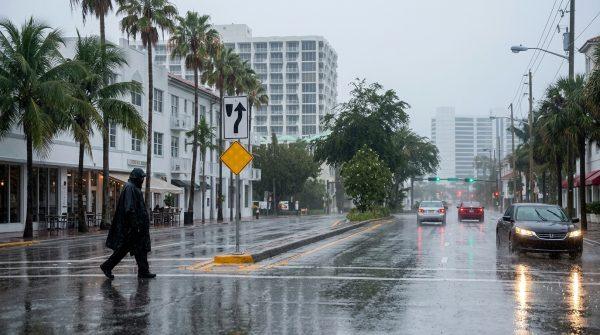
Florida's winter is about to look nothing like the mild, dry season residents have come to expect. A powerful Super El Niño is set to upend the state's typical November-to-March weather, bringing heavy rain, persistent humidity, and a heightened threat of severe storms long after the official hurricane season ends on Nov. 30.
This isn't just a slightly wetter winter. According to state climatologist Emily Powell, southern counties could see nearly double the rainfall of a typical La Niña winter. The effects are already visible: in late September 2026, a king tide flooded low-lying areas of Miami-Dade, including spots near the Fontainebleau marina and Collins Avenue, offering a preview of what's to come.
A tale of two Floridas: regional impacts
The Super El Niño won't affect the entire peninsula uniformly. While the south braces for drenching rains, central Florida faces a different threat: tornadoes. Typically, northern Florida sees the highest risk of severe winter weather, but this pattern shifts the danger southward. The National Weather Service office in Melbourne points to the 1978-1979 outbreak, which killed 42 people and destroyed 800 homes in the region, as a stark reminder of what's possible.
For those in the Tampa Bay area or along the I-4 corridor, this means staying alert to tornado watches and warnings, especially overnight. The combination of warm, moist air from the tropics and cold fronts dipping down from the north creates the perfect setup for rotating storms.
Why this Super El Niño is different
Scientists are clear: this isn't your grandfather's El Niño. Marc Alessi, a specialist with the Union of Concerned Scientists, explains that fossil fuel emissions have warmed the baseline climate, making extreme weather events more intense. "We're operating in a deeply altered climate system," he says, "and that means the impacts of a Super El Niño are amplified beyond what we've seen before."
Research backs this up. A study in the Journal of Climate found that oceanic phases have grown increasingly severe since 1960 in 75% of climate models. Meanwhile, a Science paper analyzing coral skeletons over the last millennium shows that current weather oscillations are the most intense in recorded history. The message is clear: prepare for the unexpected.
Beyond Florida: a global weather shake-up
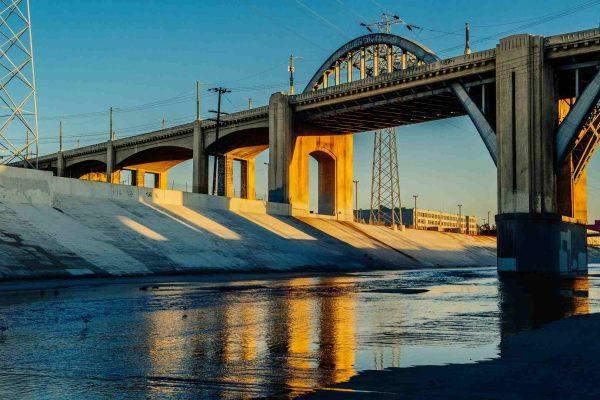
While Florida gets ready for a wet winter, the rest of the world is feeling the effects too. The Pacific has been extraordinarily active, with Hawaii enduring three powerful hurricanes this year and southern California facing an unprecedented tropical storm watch. In October 2026, Kelvin waves driven by Tropical Storm Rachel battered coastal structures in Long Beach, California. Florida State University meteorologists note that while upper-level wind shear is keeping the Atlantic relatively quiet, an unexpected system could still form if it finds a favorable corridor.
For Latinos across the diaspora, this weather pattern is a reminder of how interconnected our communities are. From Miami to Los Angeles, the same climate forces are reshaping our seasons. Forecasters expect surprises across the US, and Texas and California are also bracing for shifts.
How to prepare for Florida's Super El Niño winter
Preparation is key to riding out this unusual season. Here are some practical steps:
- Monitor local forecasts regularly to track how the Super El Niño is influencing rainfall intensity.
- Clear rain gutters before November to prevent sudden drainage overflows, especially in central Florida.
- Keep NOAA weather alerts active 24/7 so your family can react quickly to overnight tornado warnings.
- Secure outdoor furniture and property to minimize damage from heavy rain and king tides.
- Review your flood insurance policy to ensure you're covered before the winter storms arrive.
These steps are especially important for coastal communities, where the combination of heavy rain and king tides can cause significant flooding. Homeowners are already dealing with rising insurance costs, so being proactive can save money and stress down the line.
As we've seen with Hurricane Isaias, Florida is no stranger to weather extremes. But this winter promises to be different. By staying informed and prepared, residents can navigate the season with confidence, knowing that while the weather may be unprecedented, our resilience is just as strong.