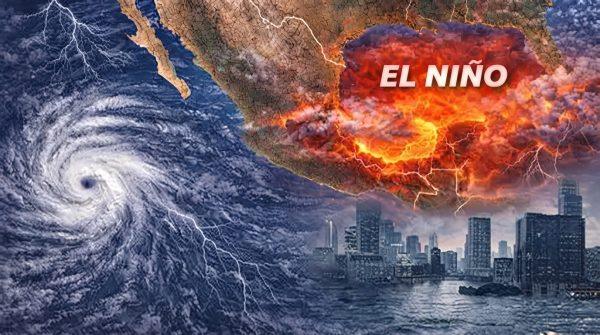
New Yorkers, get ready for a winter that might not feel like winter at all. A powerful Super El Niño is brewing in the Pacific, and it could turn the city's usual snow-filled season into a wetter, milder affair. This isn't just a minor shift—meteorologists are talking about a significant transformation in the Northeast's weather patterns.
The phenomenon starts with unusually warm surface temperatures in the equatorial Pacific. These temperature anomalies set off a chain reaction that disrupts the jet stream, which in turn alters weather patterns across the globe. For the US Northeast, that could mean less snow and more rain, with temperatures running above average from December through February.
Senior meteorologist Carl Erickson notes that the heat will persist through September, with brief cool surges in October. The American Geosciences Institute adds that the East Coast should expect unpredictable weather, while the Southeast typically sees wetter, colder winters driven by frequent coastal storms. For New York, the odds are clear: there's a 50% to 60% chance of above-average rainfall during the winter months.
What this means for your winter plans
If you're dreaming of a white Christmas, you might be disappointed. Instead of heavy snow accumulations, the city could see more rain and sleet. Autumn fronts might bring brief flurries if they coincide with cold air, but the overall trend points to a winter that's more about wet boots than snow shovels.
This shift isn't just about inconvenience—it has real implications for the city's infrastructure and emergency services. After the record rains in August, local teams are reviewing their mitigation protocols. Federal agencies are coordinating with AccuWeather to ensure a rapid response to any unforeseen coastal storms.
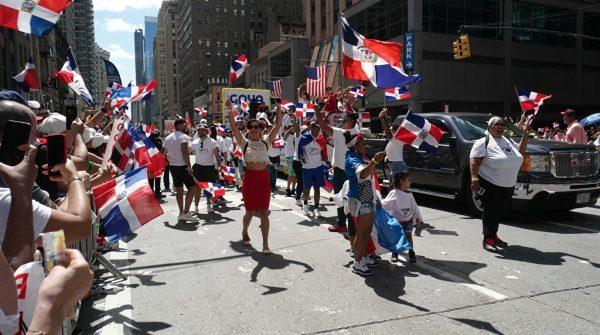
For the Latino community in New York, this could mean changes in how we celebrate our traditions. From the Three Kings Day parades to the winter festivals in Corona and Washington Heights, a rainier winter might force us to adapt our outdoor plans. But as always, we find ways to come together, rain or shine.
This Super El Niño is part of a larger pattern of climate volatility that's affecting the entire country. El Niño's extreme strength could reshape US winters, with regional impacts that go beyond just temperature. For instance, national parks are also bracing for extreme swings, and Southern California is preparing for a wet 2026-27 winter.
While the immediate focus is on New York, the effects of this Super El Niño will be felt across the Americas. From the coffee fields of Colombia to the vineyards of Argentina, farmers are watching these patterns closely. The warming of the Pacific doesn't just change our winter—it alters growing seasons, water supplies, and even the spread of diseases.
As we navigate this new reality, it's important to stay informed and prepared. The city is working on adaptation strategies, but individuals can also take steps, like checking on elderly neighbors during storms and having emergency kits ready. This winter might be different, but with a little preparation, we can handle whatever comes our way.
In the end, Super El Niño is a reminder of how interconnected our world is. A temperature change in the Pacific can ripple across continents, affecting our daily lives in ways we're only beginning to understand. For now, keep your umbrellas handy and your snow boots in storage—this winter in New York is shaping up to be a wet one.