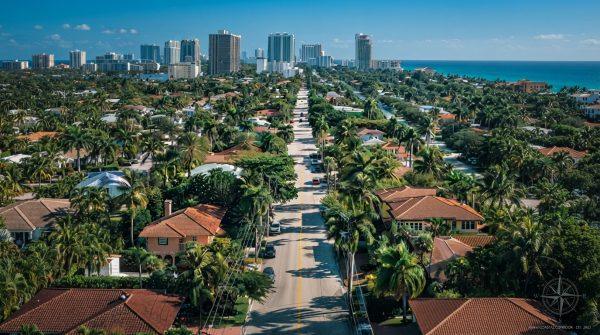
For many young Latinos across the U.S., the classic milestones of adulthood—buying a house, settling down, planting roots—are being reimagined. Instead of saving for a down payment, a growing number of Gen Zers are spending on plane tickets, hostels, and street food in Mexico City, Bogotá, or Lisbon. The American Dream, once tied to a white picket fence, is now more likely to involve a passport stamp.
Travel takes priority over property
Recent data from NerdWallet's Travel Price Index shows that travel costs in August rose 9% year-over-year, with airline fares jumping 23.4%. Yet that hasn't deterred young travelers. A study by Future Partners found that 44% of Gen Z travelers take spontaneous leisure trips frequently or very frequently, compared to just 25.2% of all American travelers. This enthusiasm persists despite inflation, signaling a deep shift in how young people allocate their money.
For many, the choice is deliberate. A survey of about 2,000 young renters by Entrata and Qualtrics found that 83% say renting keeps their money available for daily life instead of locking it into a mortgage. Nearly half (45%) explicitly prioritize travel and career growth over buying a home. And 41% of renters reject the idea that owning property defines success.
This doesn't mean Gen Z has given up on homeownership entirely. According to Fortune, over half still see it in their future, but the current market makes it feel out of reach. As a result, they're rethinking what stability looks like—and for many, that includes a Paris apartment or a cheap plot of land somewhere sunny.
Flexible living and smaller footprints
When they do buy, Gen Z is more open to compromise. A report from Cotality across five countries shows that 74% of young people accept smaller homes, compared to 64% of millennials, 57% of Gen X, and 43% of baby boomers. They're also the most willing to cut living expenses to afford a place, even if it means less space.
This flexibility extends to other financial choices. A Cars.com survey found that 55% of young buyers chose used cars, while 55% of millennials bought new ones. LendingTree data shows that 51.5% of Gen Z auto loans were under $25,000, compared to 36.2% for millennials and 31.4% for Gen X.
To fund their travels, many are making small sacrifices. A Skyscanner survey revealed that 52% of Gen Z travelers skip dining out to save for trips, and 40% cut back on haircuts. These micro-adjustments add up, allowing them to explore the world without going into debt.
For Latino youth, this trend resonates deeply. Many come from families that value hard work and sacrifice, but they're also inheriting a world where the old rules don't apply. Instead of waiting for a house they may never afford, they're choosing to experience life now—whether that's backpacking through Peru, visiting family in the Dominican Republic, or taking a free Latin American film screening in New York.
Financial analysts see this as a rational response to systemic barriers, not a rejection of security. By prioritizing experiences, Gen Z is building a different kind of wealth—one measured in memories, skills, and global connections. As they redefine success, they're also reshaping the economy, from travel to housing to retail.
This shift is not just about skipping the picket fence; it's about creating a life that feels meaningful on their own terms. For a generation that grew up with economic uncertainty, the passport has become a symbol of possibility—and that's a dream worth chasing.