Meteorologists are sounding the alarm: this year's El Niño could become one of the strongest on record, with a probability exceeding 90% that it reaches super intensity. The Climate Prediction Center, part of the National Oceanic and Atmospheric Administration (NOAA), projects the phenomenon will peak between October and December, setting the stage for a winter that will look very different depending on where you live in the United States.
For Latino communities across the country—from the barrios of East Los Angeles to the Cuban enclaves of Miami—this means paying close attention to how the coming months might unfold. El Niño's effects are not uniform; they ripple through regions in distinct ways, and understanding those nuances is key to staying prepared.
What a super El Niño means for your region
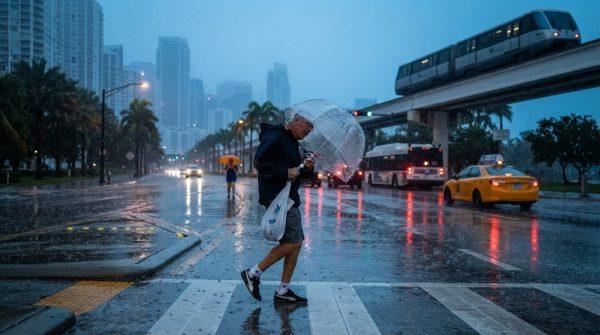
The northern tier of the US, including the Ohio River Valley, should expect a significantly warmer and drier winter. That might sound appealing to those tired of shoveling snow, but it also raises concerns about drought and wildfire risk in the spring. Meanwhile, the southern half of the country—from California to the Gulf Coast—is likely to experience a much wetter winter, with above-average rainfall and increased snowfall in some areas. For cities like Houston and New Orleans, that means a higher chance of flooding and the need for robust drainage systems.
Coastal communities, particularly along the Pacific, face elevated risks of flooding during high tides and extraordinary storm surges. In places like San Diego and Long Beach, where many Latino families have deep roots, local officials are already reviewing emergency protocols. The southeastern states, including Florida and the Carolinas, could see extreme summer temperatures and conditions favorable for harmful algal blooms, which can affect both marine life and public health.
These shifts are not just about comfort; they have real consequences for agriculture, water resources, and even public health. Warmer, wetter conditions in some areas can expand the range of disease-carrying mosquitoes, including those that transmit Zika. That's a particular concern for pregnant women and families in affected regions.
Beyond the US: a global climate connection
El Niño is a global phenomenon, and its effects extend far beyond US borders. In Latin America, for instance, it can bring heavy rains to Peru and Ecuador, while causing drought in parts of Brazil and Central America. For our readers in México, Colombia, and the Caribbean, staying informed about these patterns is just as important. The World Meteorological Organization is closely monitoring the situation, and their updates are crucial for communities worldwide.
As the phenomenon evolves, scientists are emphasizing that a strong El Niño does not guarantee specific outcomes in every location. It increases the likelihood of certain conditions, but local weather patterns and other climate factors play a role too. That's why experts urge people to follow official forecasts and not rely on anecdotal predictions.
For those interested in how climate events intersect with culture and community, you might also enjoy our coverage of Miami's Magic City Innovation District, which is aiming to become an AI hub in Little Haiti—a sign of how cities adapt to changing times. And for a lighter note, check out Bad Bunny's record-breaking tour revenue, a testament to Latino cultural influence.
As we look ahead, the key is preparation. Whether you're a farmer in the Central Valley, a fisherman in the Gulf, or a city dweller in Chicago, understanding El Niño's potential impacts can help you make informed decisions. Stay tuned to NOAA and local weather services for the latest updates, and don't hesitate to reach out to community organizations for resources.
This El Niño is a reminder that our climate is interconnected, and that the choices we make—from water conservation to emergency planning—can make a difference. Let's face it together, with knowledge and solidarity.