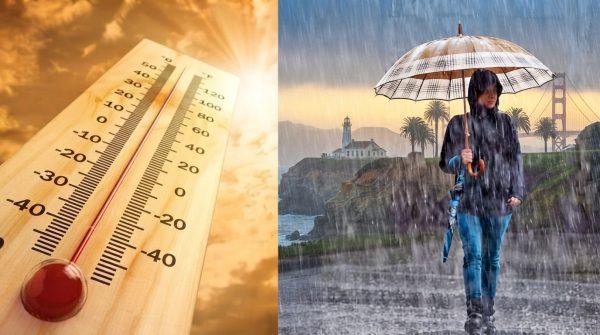
Southern California is trading one weather emergency for another. Just days after Hurricane Marie churned up dangerous surf and dumped heavy rain along the coast, the region is now facing a brutal heat wave that forecasters say could push thermometers to 105°F in inland communities. The abrupt shift from tropical moisture to stifling heat has put public health officials on high alert.
The National Weather Service has issued heat advisories across Los Angeles, Orange, and Ventura counties, warning that the combination of lingering humidity and soaring temperatures will create a suffocating environment. Nighttime offers little relief, with lows expected to hover between 70°F and 80°F, especially in urban areas where pavement and buildings trap heat. For many working-class neighborhoods in the San Fernando Valley and the Inland Empire, where air conditioning is a luxury, these conditions are more than uncomfortable—they're dangerous.
Midweek peak and health risks
The most intense period is expected from Tuesday through Thursday, with Wednesday shaping up to be the worst day. Inland areas like Pomona, Riverside, and San Bernardino could see highs of 105°F, while even coastal cities like Long Beach and Santa Ana will struggle to stay below 90°F. The National Weather Service emphasizes that this isn't just about discomfort; it's a public health emergency. Heat stroke, dehydration, and exacerbation of chronic conditions are all real threats, particularly for the elderly, children, and outdoor workers.
Local health departments are urging residents to stay hydrated, avoid strenuous activity during peak sun hours, and check on vulnerable neighbors. The Centers for Disease Control and Prevention offers guidance on recognizing heat-related illness, but experts stress that prevention is key. "Don't wait until you feel sick to take action," says Dr. Elena Ramírez, a Los Angeles-based emergency physician. "By then, your body is already in trouble."
For those who work outdoors—farmworkers in the Central Valley, construction crews in downtown LA, and day laborers across the region—the heat is an occupational hazard. The Occupational Safety and Health Administration (OSHA) mandates that employers provide water, shade, and rest breaks when temperatures climb, but enforcement is often spotty. Community organizations are stepping in to distribute water and information, especially in immigrant-heavy neighborhoods where language barriers can compound the risk.
Coastal hazards and water safety
While the heat dominates the forecast, the ocean remains a danger zone. Hurricane Marie, now moving northwestward well offshore, continues to generate powerful swells. Destructive waves of 6 to 10 feet are expected along south- and southwest-facing beaches, and coastal flood warnings remain in effect until 11:00 PM Tuesday for Los Angeles and Orange counties. Sunday's rainfall already caused flooding in parking lots at Seal Beach and Zuma Beach, and water entered streets and homes in Long Beach.
Beachgoers heading out for the Labor Day holiday should heed warnings about rip currents, which can pull even strong swimmers out to sea. The National Weather Service emphasizes that large crowds increase the risk of accidents. Additionally, health officials advise staying out of the ocean for at least 72 hours after rainfall due to contaminated runoff. Bacteria levels can be dangerously high, and the American Red Cross recommends checking local water quality reports before swimming.
Community resilience and preparedness
As Southern California weather becomes more erratic, communities are learning to adapt. In Latino neighborhoods, where family gatherings and outdoor celebrations are a summer tradition, the heat is forcing a rethink. "We're used to heat, but not like this," says María González, a resident of Boyle Heights. "We're staying inside, using fans, and making sure our abuelitos are okay."
Local officials are also monitoring the broader Pacific storm system. The triple Pacific hurricane threat earlier this week put coastal communities on high alert, and while Marie is now moving away, the combination of high tides and residual swells keeps the risk alive. The Federal Emergency Management Agency (FEMA) continues to track the situation, but for now, the immediate focus is on surviving the heat.
For those looking for ways to stay cool, public libraries and community centers are opening as cooling centers, and cities like Los Angeles are extending pool hours. But experts warn that the heat wave is a reminder of a larger trend: climate change is making extreme weather events more frequent and more intense. As El Niño grows into a super-sized climate threat, the region must prepare for a future where these conditions become the new normal.
In the meantime, the advice is simple: drink water, stay indoors during peak heat, and never leave children or pets in parked cars. And if you're heading to the beach, check the surf report and heed the warnings. Southern California's beauty is matched by its unpredictability, and this week, respect for the elements is not just wise—it's essential.