Beneath the bustling streets of East Harlem, a ten-block concrete cavern has been waiting for nearly five decades. Stretching from 110th to 120th Street under Second Avenue, this abandoned subway tunnel has never seen a single passenger train. It's a silent monument to a moment when New York City dreamed big—and then ran out of money.
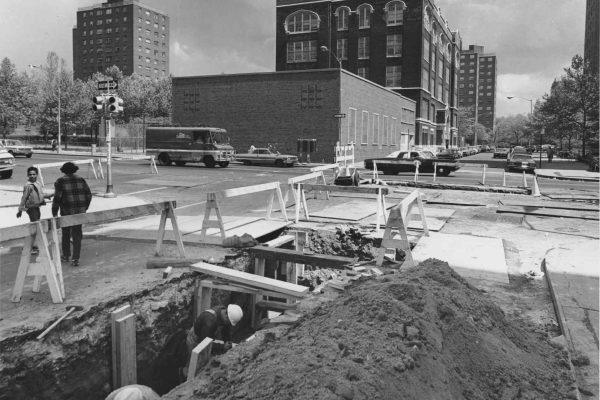
The story begins in the early 1970s, when Governor Nelson Rockefeller and Mayor John Lindsay launched an ambitious plan to build a Second Avenue subway line. Construction crews worked around the clock, excavating deep into Manhattan's bedrock and pouring massive concrete structures designed to last generations. By 1975, four major tunnel segments were complete, including the stretch beneath East Harlem.
But the city's finances were crumbling. Mayor Abe Beame faced a fiscal crisis that pushed New York to the brink of bankruptcy. With no money to continue, all construction was frozen. The newly built tunnels were sealed, left in darkness, and essentially forgotten.
An underground time capsule
Today, the tunnel remains remarkably intact. Structural engineers and transit officials from the Metropolitan Transportation Authority (MTA) conduct routine inspections every few months. They check the concrete walls, evaluate protective paint, and manage groundwater seepage. According to senior officials, the sturdy construction has held up well over the years, making the structure fully capable of supporting modern transit infrastructure if funding ever comes through.
For those who know about it, the tunnel is a fascinating piece of urban archaeology. It's a reminder of a time when New York's leaders thought big about public transit, only to be derailed by economic reality. The tunnel's existence is a testament to the city's resilience—and its unfinished business.
Plans to bring it to life
In recent years, the MTA has revived the dream of a full Second Avenue subway line. The first phase, which opened in 2017, extended service from 63rd Street to 96th Street. Now, the agency is looking northward, with plans to extend the line to 125th Street. Integrating the old 1970s tunnel into these plans could save significant time and money, potentially transforming the space into a central platform for a future 116th Street station.
But challenges remain. The tunnel sits deep in Manhattan's bedrock, and navigating that geology is no small feat. Securing billions in public funding is another hurdle. Still, transit advocates and East Harlem residents see this as a long-overdue promise. When the elevated lines were demolished decades ago, the neighborhood was promised a subway that never came. Completing the project would finally deliver on that commitment.
For now, the tunnel remains a quiet ghost beneath the city. But with each passing year, the push to bring it to life grows stronger. As New York continues to invest in its transit future, this forgotten piece of infrastructure may finally get its moment in the sun.
For more on New York's transit and urban stories, check out NYC's Fair Fares program and affordable housing lotteries. And for a taste of Latino culture in the city, see Gustavo Dudamel's historic debut.