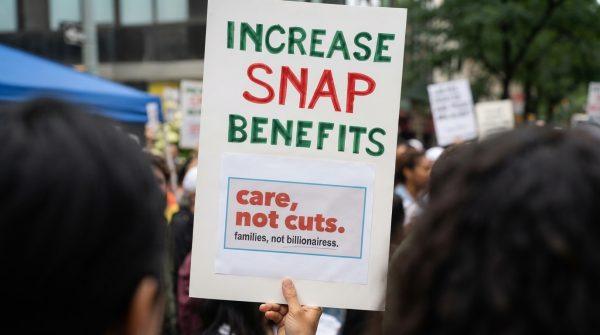
The food assistance landscape in the United States is shifting dramatically. New federal regulations, signed into law on July 4, 2025, are tightening work requirements for SNAP (Supplemental Nutrition Assistance Program) recipients, and the consequences are already being felt across the country. For many Latino families, who have long relied on this program to put food on the table, the changes could mean losing a critical lifeline.
The new rules, part of the One Big Beautiful Bill Act (OBBBA), expand the age range for mandatory work requirements to include adults up to 64 years old. Previously, only those aged 18 to 49 were subject to these rules. Now, recipients must work or volunteer at least 80 hours per month to keep their benefits. This shift is expected to push millions of people off the program, with the Food Research and Action Center (FRAC) reporting that over 5 million participants have already left the system.
For those who remain, the average benefit is just $6.25 per person per day—an amount that, according to the Urban Institute, fails to cover the cost of a typical meal in nearly 99% of U.S. counties. This is a stark reality for many Latino households, who often face higher rates of food insecurity and rely on SNAP to make ends meet.
Who is most at risk?
The new rules create a precarious situation for several groups, many of which are overrepresented in the Latino community:
- Older unemployed workers: Adults aged 54 to 64 now face the same 80-hour monthly work requirement, with no safety net for those who cannot find jobs in depressed labor markets.
- Parents with adolescent children: Families with children aged 14 to 17 have lost the automatic exemption that previously protected households with minors. Parents must now prove they are working the required hours, even if they lack affordable childcare.
- People with chronic illnesses: Those battling conditions like Crohn's disease face a complex and often delayed process to obtain medical exemptions, leaving them vulnerable to losing benefits.
- Low-income single parents: Single mothers and primary caregivers are seeing drastic cuts in monthly subsidies due to cross-evaluations with other programs like Medicaid, shrinking their daily food budgets amid high inflation.
These changes are not just bureaucratic tweaks; they have real, human consequences. For a Latina mother in Houston or a retired farmworker in California's Central Valley, the loss of SNAP benefits could mean choosing between paying rent and buying groceries.
State challenges and administrative burdens
The federal government defends the reforms as a way to strengthen fiscal sustainability and reduce fraud. President Donald Trump stated, "Millions of people have been removed from SNAP due to a stronger economy." White House Press Secretary Anna Kelly added that the rules "restore basic work requirements, prioritize American citizens, and implement sensible cost-sharing measures with states to combat waste, fraud, and abuse."
However, state agencies are struggling to keep up. The new regulations shift 75% of administrative costs to local governments starting October 1, up from 50%. Additionally, starting in October 2027, states with high error rates in benefit payments will have to cover up to 15% of those costs—a burden previously borne entirely by the federal government. Republican lawmakers argue that high error rates indicate fraud, but anti-hunger advocates point out that most errors are simple clerical mistakes, like misspelled names or missing addresses.
Crystal FitzSimons, president of FRAC, warned that the changes are "absolutely unprecedented" and could lead to confusion and delays in state agencies. She noted that some states might even abandon the program due to financial chaos. In Alabama, for example, Brandon Hardin told the Alabama Reflector that payment error issues could plunge the state into $174 million in extra costs by July, prompting officials to consider terminating the program altogether.
Despite these challenges, some states are finding ways to adapt. In Arizona, the Department of Economic Security spokesperson Brett Bezio told CBS News that despite staff shortages and outdated technology, they managed to stabilize the program and add 57,000 new enrollees in August compared to April, avoiding disastrous financial penalties.
For Latino families, the stakes are high. SNAP is not just a government handout; it's a vital support that helps millions of working families, seniors, and people with disabilities afford nutritious food. As these new rules take effect, it's crucial for affected individuals to understand their rights and seek assistance from local food banks and community organizations. For more on how SNAP changes might affect your household, check out our guide to the October benefit increase.
The road ahead is uncertain, but one thing is clear: the safety net is shrinking, and the most vulnerable among us—including many in the Latino community—are feeling the impact first. It's a reminder that food assistance is not a luxury, but a necessity, and that policy decisions made in Washington have real consequences in kitchens across the country.