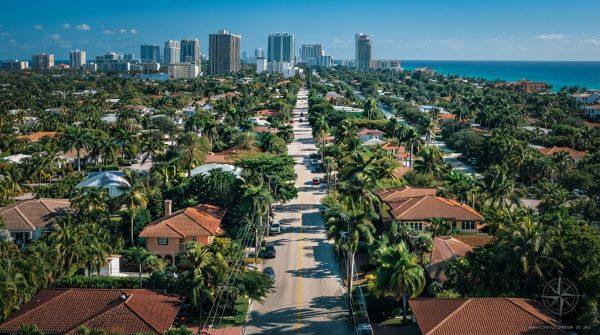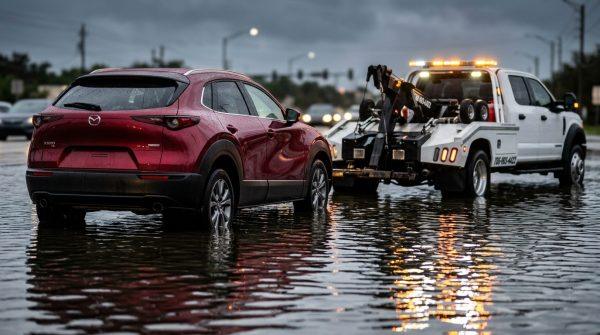
When the skies open up over Miami-Dade, Broward, or Palm Beach, the region's streets and garages can turn into temporary canals. For drivers, the immediate worry is getting home safely—but the real trouble often starts after they park. South Florida's seasonal flooding has become a costly trap for vehicle owners, many of whom don't realize that a simple parking receipt can shift all responsibility onto them.
Take the case of TruPark USA, which operates dozens of parking facilities across the urban core. Its president, Aaron Alamary, told El Nuevo Herald that when a driver pulls a ticket at the entrance, they're automatically agreeing to assume full liability for any damage—including flooding. Alamary explained that if garage operators had to absorb weather-related losses, parking fees would double across hundreds of facilities. So instead, the fine print on that small slip of paper legally protects the garage, not your car.
The hidden cost of a parking spot
It's a reality that many drivers discover only after their vehicle has been submerged. Even a few inches of water—less than half a foot—can stall an engine, and a foot of water can float a 3,000-pound car. During intense summer storms, tow trucks are often seen hauling dozens of stalled vehicles out of flooded lots and underground garages. But the financial aftermath can be staggering: repairs for water-damaged engines, electrical systems, and interiors can run into the thousands of dollars.
Commercial venues like Aventura Mall post explicit warnings on lower levels, but the general policy across the private sector is clear: drivers assume weather-related risks when they leave their vehicles unattended. That means if a king tide or a sudden downpour floods the lot, the garage operator isn't on the hook—you are.
Insurance: the fine line between covered and not
So what can drivers do? The answer lies in their insurance policy. Michal Brower, a spokesperson for State Farm, notes that only comprehensive coverage protects against flood damage. Drivers with basic liability policies are left to cover 100% of the repair costs themselves. And even with comprehensive coverage, flood claims are processed separately from collision claims, meaning you'll still have to pay your deductible before the insurance company steps in.
This is a crucial distinction for many Latino drivers in South Florida, where a car is often essential for getting to work, school, and family gatherings. A flooded vehicle can disrupt daily life for weeks, and the financial hit can be devastating. That's why experts urge drivers to review their policies before the next storm hits—not after.
What to do if your car gets flooded
If you do find your car submerged, the steps you take in the first hours can make a big difference. Here's what safety experts recommend:
- Don't start the engine. Wait for a qualified mechanic to inspect it first. Turning the key can cause permanent water compression damage inside the cylinders.
- Document the damage. Photograph the interior water line—anything above two inches is significant. Begin drying the interior as soon as possible to minimize electrical corrosion.
- Call your insurance agent within 24 hours. Report the damage and arrange for your vehicle to be towed to higher ground through a specialized service.
These steps won't undo the damage, but they can prevent additional mechanical failures and help your claim go more smoothly. And as king tides turn streets into canals, being prepared is more important than ever.
For those who live in flood-prone areas, it's also worth considering where you park. Elevated lots or structures with flood protections are safer bets, even if they cost a bit more. And before you pull into any garage, take a moment to read the posted signs—or at least know that the ticket you grab is a contract, not just a piece of paper.
The reality is that South Florida's flooding is only getting more frequent and more intense. As record king tides test flood defenses, drivers need to be proactive. Understanding your insurance coverage, knowing your rights at parking facilities, and following a clear protocol after a flood can save you from a financial headache that no one wants to face.
In the end, a little knowledge goes a long way. The next time you park in a South Florida garage, remember: that ticket might be your only protection—or your biggest liability. Stay informed, stay covered, and stay dry.