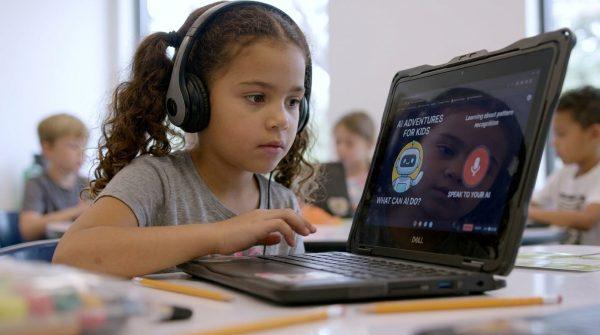
In a bold experiment reshaping elementary education, Alpha School is bringing its AI-driven, two-hour learning model to Chicago. The private network, founded by MacKenzie Price in Austin, now operates campuses across Texas and Illinois, promising that students can master core subjects in a fraction of the time spent in traditional classrooms. But this innovation comes with a hefty price tag that puts it out of reach for most families.
The new Chicago campus, serving students from preschool through 8th grade, combines adaptive software with practical skill-building in public speaking, leadership, entrepreneurship, teamwork, and financial literacy. The model leans heavily on the TimeBack platform, which pinpoints each child's strengths and weaknesses, revisiting concepts when errors recur and ensuring mastery before advancing. This tech-driven approach replaces conventional teachers with adult guides focused on emotional support and social development, and the school reports that its students score in the top 1% on national standardized tests.
Tuition and budget realities
However, the promise of efficiency comes at a steep cost. Annual tuition at the Chicago campus for the 2026–2027 school year is $55,000—more than four times the national average for private elementary schools, which sits at $13,700, according to Private School Review. That figure also exceeds the average tuition at private nonprofit four-year universities, which the College Board puts at $45,000 for the 2025–2026 cycle.
Such pricing creates significant financial hurdles, effectively limiting access to high-income households. For many Latino families, who often face systemic barriers to quality education, this model remains an unattainable luxury. The steep cost positions Alpha School as an elite alternative, forcing parents to scrutinize their budgets before enrolling their children.
Related: California schools see modest gains, but gaps remain
Expert concerns about the model
Education researchers urge caution. Rebecca Winthrop, a senior fellow at the Brookings Institution, emphasizes that parents must understand this experimental model lacks sufficient validated external evidence. She notes that neuroscience confirms deep reflection and meaning-making are vital for long-term learning outcomes. The two-hour format, while appealing for its efficiency, may not provide the depth needed for durable knowledge retention.
For families considering this path, the decision hinges on whether reduced classroom hours justify such a massive financial commitment, especially when experts question the long-term efficacy. As Alpha School expands, it forces a broader conversation about the role of AI in education and who gets to benefit from these innovations.
Related: Texas school arrests surge and mariachi booms in Las Vegas schools
While the promise of personalized, efficient learning is enticing, the reality is that this model is not accessible to all. For Latino communities, where educational equity remains a pressing issue, the high cost of such programs could widen existing gaps. As the debate continues, parents must weigh the potential benefits against the financial strain and the lack of proven outcomes.