For decades, the Nutcracker and Phrostie were as synonymous with a New York City summer as the roar of the Coney Island Cyclone or the scent of a street cart's hot dogs. These brightly colored, boozy concoctions were sold from coolers in parks, on beaches, and at block parties across the five boroughs. But their underground fame eventually clashed with city regulations, leading to a ban that only cemented their legendary status.
The Nutcracker: A Mystery in a Plastic Bottle
The Nutcracker is widely considered the original underground summer cocktail of New York. First appearing in the early 1990s, it quickly escaped the confines of bars and became a street phenomenon. Vendors would fill plastic bottles with a mix of fruit juices and alcohol—vodka, grain alcohol, or rum—and sell them for around $10. The exact recipe was a closely guarded secret, varying from seller to seller. This mystery was part of the drink's appeal, but it also raised red flags for health officials, who had no way to inspect the unregulated production.
As the years passed, the Nutcracker became a staple at beaches like Rockaway and Coney Island, and at neighborhood gatherings in Brooklyn and Queens. It was a drink that everyone knew but no one really knew, a symbol of a DIY summer spirit that felt uniquely New York.
The Phrostie: Instagram's Frozen Obsession
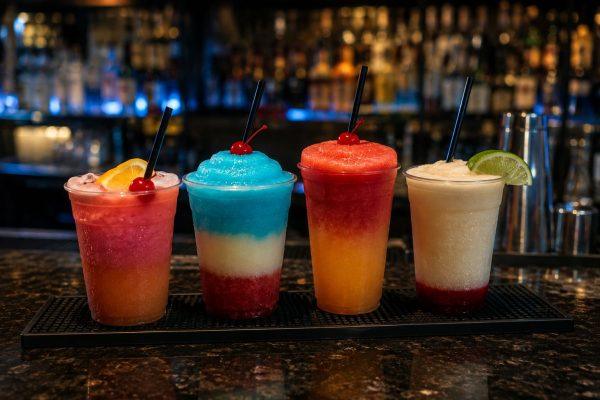
Around 2014, a new contender emerged: the Phrostie. These frozen, layered cocktails—served in plastic milk bottles with names like Volcanic Paradise and Tsunami Sunrise—exploded on Instagram. They were ordered almost entirely through social media and delivered around the clock. Their popularity was so intense that rumors quickly spread, with many claiming the drinks contained codeine or other drugs. The speculation became so widespread that New York Magazine commissioned lab tests on a sample. The results showed no illegal substances, just about 12% alcohol by volume and a lot of sugar—comparable to a strong glass of wine.
Despite the urban legends, the real issue wasn't the ingredients. It was the sales model. Both Nutcrackers and Phrosties operated entirely outside New York's alcohol licensing system. Vendors lacked permits, sold outside licensed establishments, and used recipes that changed from one seller to another. Unlike bars or restaurants, these operations weren't subject to routine inspections or labeling requirements designed to protect consumers.
As city enforcement increased, many vendors disappeared from public view. But the drinks didn't vanish entirely. Every summer, stories circulate about quiet sales at beaches and parks, with recipes still guarded and bottles still familiar. For many New Yorkers, these cocktails represent more than an illegal drink—they're a reminder of a uniquely local tradition that became so popular it attracted the attention of city authorities.
This story echoes a broader trend in Latino and diaspora communities, where informal economies often thrive alongside official systems. From the friendship between J Balvin and Ryan Castro to the social media buzz around Karol G, the line between underground and mainstream is constantly shifting. The Nutcracker and Phrostie may be banned, but their legacy lives on in the collective memory of a city that knows how to make its own summer magic.