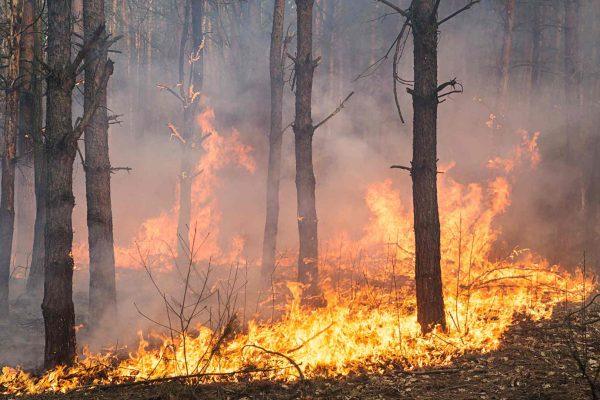
For more than two weeks, the Ross Fire has been carving a destructive path across North Texas, leaving behind a scarred landscape and a community on edge. The blaze, which ignited on August 24 near the small community of Ross in Palo Pinto County, has now consumed more than 90,400 acres across Palo Pinto and Jack counties. According to the National Weather Service, it now ranks as the second-largest wildfire in North Texas history.
The fire has already destroyed at least 157 structures, with dozens more damaged, as it swept through rural areas with little warning. Among the losses is the historic Worth Ranch scouting camp, where the flames tore through several buildings. Fortunately, no campers or staff were injured, thanks to swift evacuations.
A fire fueled by human activity and harsh conditions
Investigators believe the fire was sparked by human activity near Highway 180, where dry brush and gusty winds turned a small ignition into a raging inferno. The region has been in the grip of severe drought, with vegetation so parched that any spark can quickly become a major incident. The fire's rapid spread forced four local school districts to adjust their schedules, and animal shelters and livestock agencies scrambled to relocate pets and farm animals out of harm's way.
Firefighting efforts have been a coordinated push involving the Texas A&M Forest Service and TIFMAS strike teams, with aircraft and heavy machinery working along the perimeter. As of now, containment stands at 57%, but the battle is far from over.
Weather remains a formidable opponent
Meteorologists are warning that the coming days will be treacherous. Temperatures are expected to reach nearly 102 degrees Fahrenheit, with relative humidity dropping to around 27%. These conditions, combined with southeast winds gusting up to 25 miles per hour, create a perfect storm for new flare-ups. Even a single ember could ignite explosive new fire lines in the dry terrain.
Highway 180 has reopened to local traffic, but officials caution that the threat is not behind us. The fire's behavior remains unpredictable, and residents in the affected areas are urged to stay vigilant and ready to evacuate at a moment's notice.
For Latino families in the region, many of whom have deep roots in these rural communities, the fire adds another layer of stress. Resources like bilingual college aid fairs and other community support networks are stepping up to help those displaced. Meanwhile, the broader Texas landscape is no stranger to climate challenges, from El Niño's winter impacts to the increasing frequency of extreme weather events.
As the Ross Fire continues to burn, the resilience of North Texans is being tested. Firefighters are working around the clock, but the forecast offers little relief. The coming weekend will be critical, and officials are clear: the danger is not over yet.