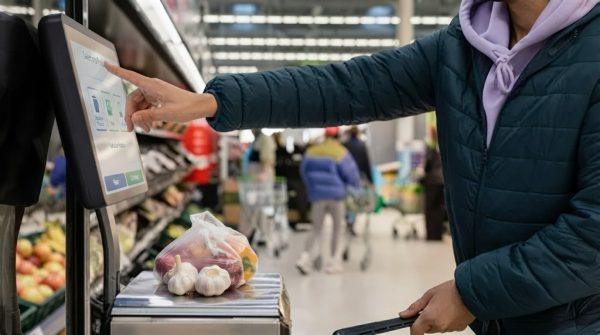
In a move that could reshape how Americans shop, Rhode Island has become the first state to pass a law limiting the use of self-checkout machines in supermarkets. The Restrictions on Self-Service Checkout Stations Act, signed in June 2026 and taking effect January 1, 2027, mandates that stores must have at least one human cashier for every three self-checkout stations. This legislation, backed by unions like UFCW Local 328, is a direct response to the growing wave of automation that has threatened retail jobs across the country.
For Latino communities in Rhode Island—where many work in retail and food service—this law could mean more stable employment and a better shopping experience. The law requires that employees assigned to self-checkout areas focus solely on supervision, helping customers navigate the machines and preventing theft. This is especially important for older shoppers and those less comfortable with technology, who often struggle with automated systems.
What the Law Requires
Under the new rules, supermarkets must maintain a strict ratio of one manual cashier for every three self-checkout terminals. Staff supervising these areas cannot be assigned other duties, ensuring they are available to assist customers. Additionally, at least one human-staffed lane must remain open at all times to comply with the Americans with Disabilities Act (ADA), making sure everyone can shop with dignity.
There are exceptions for low-traffic periods between 8:00 p.m. and 8:00 a.m., as well as during emergencies or severe weather. This flexibility allows stores to adjust staffing without violating the law when customer volume drops. But during peak hours, the human touch is non-negotiable.
Stores that fail to comply face fines of up to $1,000 per day for each violation—a serious penalty that underscores the state's commitment to protecting jobs and customer service. This precedent could inspire similar laws in other states, including New York, where grocery stores are already simplifying food labels under new regulations.
Why This Matters for Latino Shoppers and Workers
For many Latino families in Rhode Island and beyond, the self-checkout experience can be frustrating. Machines often lack Spanish-language options or are confusing to navigate. The new law ensures that a human cashier is always available to help, making shopping more accessible. It also protects jobs in a sector where Latinos are overrepresented—according to the Bureau of Labor Statistics, Hispanic workers make up nearly 17% of the retail workforce.
This law is part of a broader conversation about automation and its impact on communities of color. While technology can improve efficiency, it often displaces workers who rely on these jobs for economic stability. By mandating a human presence, Rhode Island is sending a message that people matter more than machines.
Similar debates are happening elsewhere. In New York, lawmakers are considering banning dynamic surveillance pricing in grocery stores, another move to protect consumers. And across the country, the rise of self-checkout has been linked to increased shoplifting, which the new law aims to curb by putting more eyes on the checkout area.
A National Precedent
Rhode Island's law is the first of its kind in the U.S., but it likely won't be the last. As automation continues to reshape retail, other states may follow suit. For now, the message is clear: technology should serve people, not replace them. For Latino workers and shoppers, this is a step toward a more equitable future.
As the law takes effect, it's worth keeping an eye on how it impacts local economies. In the meantime, if you're in Rhode Island, expect to see more cashiers at your local supermarket—and maybe a little more patience at the checkout line.