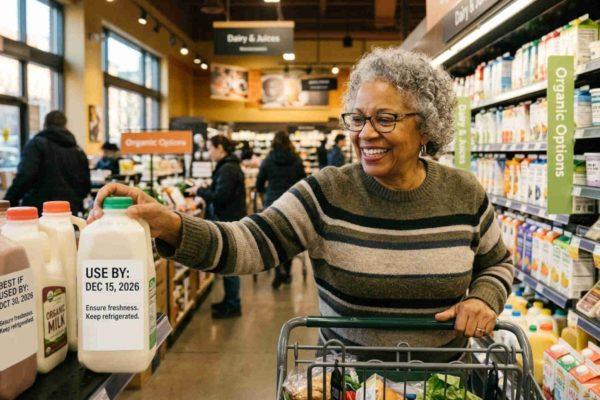
If you've ever stood in a New York grocery store aisle, squinting at a carton of milk or a bag of rice, wondering whether 'sell by' means it's still safe to eat, you're not alone. For many Latino families in the city—where aprovechar the food we buy is a point of pride—this confusion often leads to tossing out perfectly good items. A new bill, now awaiting Governor Kathy Hochul's signature, aims to change that by standardizing food labels across every grocery store in the state.
The legislation, which has already passed the state legislature, would replace the current patchwork of terms with just two clear phrases: 'use by' for safety and 'best if used by' for peak quality. This means no more deciphering 'sell by' dates, which are actually meant for store inventory management, not for consumers. The goal is to help New Yorkers—especially those of us who grew up with abuelas who could sniff out spoiled food from a mile away—make informed decisions without wasting money or food.
Why This Matters for Latino Households
For many Latino communities in New York, food waste isn't just an environmental issue; it's a cultural and economic one. A 2023 study found that Latino households in the U.S. spend a higher percentage of their income on food compared to the national average, making every dollar count. Yet, confusing labels lead to an estimated 30% of food being thrown away prematurely nationwide. This law could help families like those in Washington Heights or Corona save money while reducing the environmental impact of wasted food.
The bill also includes a requirement for the Department of Agriculture to create educational materials in multiple languages, including Spanish, to explain the new labels. This is crucial for a city where over 2 million residents speak Spanish at home. New York's $120 grocery benefit for Latino families has already shown how targeted policies can ease financial strain, and this labeling law could be another step toward transparency.
New York is following the lead of states like California, which implemented similar rules in 2022. Early data from California shows a 15% reduction in household food waste within the first year, according to the state's Department of Resources Recycling and Recovery. If New York sees similar results, it could save families hundreds of dollars annually while keeping tons of food out of landfills.
But the law isn't just about labels. It also mandates that every New York grocery store install clear signage to guide shoppers during the transition. This is a practical move for a city where many residents shop at bodegas and small markets, which may not have the resources to update labels overnight. The state plans to phase in the changes over 18 months to give stores time to adapt.
For Latino consumers, this is a win for dignidad—the dignity of knowing exactly what you're buying. No more guessing games. No more throwing away food that's still good because a label said 'sell by' yesterday. As one community organizer in Bushwick put it, 'This law respects our intelligence and our wallets.'
Governor Hochul has until the end of the year to sign the bill. If she does, New York will join a growing movement to make grocery shopping more transparent, economical, and sustainable. For Latino families, that means more comida on the table and less in the trash.