New York City has long been a stage for Latin music, and now the city itself is becoming a living monument to the artists who shaped its sound. From the Bronx to East Harlem, street corners and avenues now carry the names of Celia Cruz, Tito Puente, Héctor Lavoe, and many others, ensuring their legacies remain part of the daily landscape.
These honors are not just ceremonial—they are deeply rooted in the communities where these legends lived, performed, and inspired generations. For bicultural Latinos, walking through these neighborhoods is like tracing a musical map of resilience and creativity.
Street Names That Tell a Story
In June 2021, the corner of Reservoir Avenue and West 195th Street in the Bronx was officially renamed Celia Cruz Way, paying homage to the Queen of Salsa. Cruz, who left Cuba and became a global icon, found a second home in New York, and her voice still resonates in the city's streets. The tribute is a fitting reminder of her enduring influence.
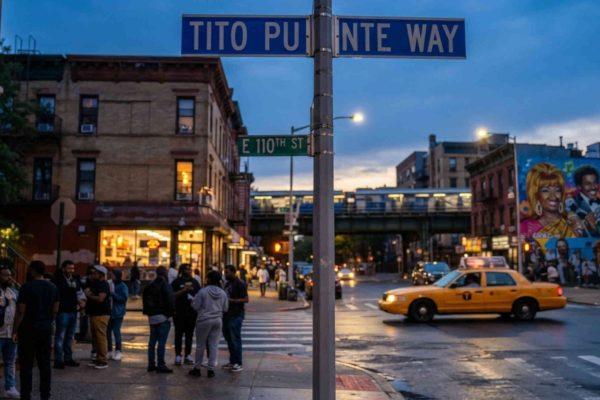
Just a few miles north, in East Harlem, Tito Puente Way honors the legendary timbalero who was born and raised in that neighborhood. Puente's mambo rhythms and his iconic performances at venues like the Palladium made him a cornerstone of Latin music in the city. The street sign is a daily reminder of his contributions to the cultural fabric of New York.
Another essential name is Héctor Lavoe, whose corner at Westchester and Bryant Avenues in the Bronx was designated Héctor Lavoe Way. Lavoe, a Puerto Rican singer who became the voice of salsa in the 1970s, lived just steps away from that intersection when he first arrived in the city. His music, often marked by both joy and sorrow, continues to move listeners.
The Palmieri brothers—Charlie and Eddie—also have their names etched into East Harlem's streets. Their contributions to salsa and Latin jazz are celebrated with a street co-naming that honors their musical dynasty. Eddie Palmieri, still active and influential, has often spoken about the importance of these tributes in keeping the music alive for younger generations.
Beyond the salsa giants, the city has recognized a diverse range of Latin artists. In Brooklyn, Los Tigres del Norte—the iconic norteño band from Sinaloa, México—have a street named in their honor. In Manhattan, Colombian vallenato star Silvestre Dangond received a similar tribute, and in Washington Heights, the beloved Dominican merengue singer Johnny Ventura is remembered with his own street name.
These designations are part of a broader effort to acknowledge the profound impact of Latin music on New York's identity. As the city continues to evolve, these street names serve as anchors, connecting the past to the present and ensuring that the stories of these artists are not forgotten.
Commemorative plaques and street signs are not the only markers. The legacy of producer Ralph Mercado, who helped launch the careers of many salsa stars, is also honored in the city. His vision and dedication are part of the reason Latin music became a global phenomenon.
For those who walk these streets, the names are more than just labels—they are invitations to remember the melodies, the rhythms, and the voices that defined an era. As the city continues to grow, these tributes ensure that the music of Cruz, Puente, Lavoe, and countless others will keep guiding the footsteps of future generations.
New York's urban map is now a testament to the power of Latin music, and for the community, it's a source of pride. Whether you're a lifelong fan or a newcomer, these street names offer a chance to connect with the rich cultural heritage that pulses through the city's veins.