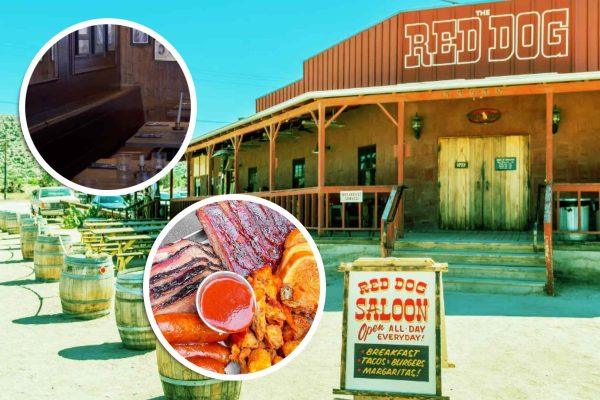
For nearly half a century, the Red Dog Saloon in Pioneertown sat silent, its wooden bar and dusty floors holding the echoes of cowboy boots and clinking glasses. Now, after 46 years, this piece of California's Wild West history has swung its doors open again—and it's already drawing crowds from San Francisco and beyond.
Founded in 1948 by Hollywood icons Gene Autry and Roy Rogers, the saloon was originally part of a working film set built to shoot Westerns. The town of Pioneertown itself was conceived in 1946 as a permanent backdrop for the silver screen, and the Red Dog quickly became its second business. Authenticity was key: local posses would ride horses straight through the front door, and the bar served as a gathering place for cowboys and movie stars alike.
But by 1974, the cinematic interest had faded, and a kitchen fire in 1966 had already dealt a heavy blow. The saloon closed, and for decades, it remained a ghost of its former self—until a chef from San Francisco's high-pressure culinary scene decided to make a change.
A Chef's Desert Reset
Phil Stefani, a veteran of San Francisco's demanding restaurant world, moved to the high desert near Joshua Tree in 2019 seeking a slower pace. The pandemic lockdowns that followed cemented his residency, and he soon found himself embedded in local preservation efforts. Partnering with architecture firm Terrain and hospitality group Life & Times, Stefani took on the role of chef partner for the Red Dog Saloon's revival.
“It wasn't just about opening a bar,” Stefani says. “It was about honoring a piece of California history that meant something to so many people.”
The reopening in August 2020 came with strict capacity limits, forcing the kitchen to operate on a takeout-only model at first. Yet even then, lines stretched down Mane Street. By its second fiscal year, the saloon saw a 60% increase in sales, driven by a menu built entirely from scratch—braised protein tacos, custom-ground burgers, and a standout vegan and gluten-free Choco Taco that has become a signature item.
The dessert's popularity exploded after a billboard campaign on Twentynine Palms Highway, pushing weekly production from 100 to over 300 units. It's a testament to how combining vintage branding with quality food can create something truly sustainable.
Preserving the Past, Building the Future
Architect Ben Loescher oversaw the restoration, ensuring that Mane Street's historic character remained intact while modernizing the interior. The original bar counter, salvaged from the 1966 rebuild, still bears the carved names of patrons from decades past. Vintage Hollywood photographs line the walls, and a dedicated stage hosts live performances from artists like Jason Momoa's band and DJ sets by Shepard Fairey.
The Red Dog Saloon's revival is part of a broader trend across California, where historic spaces are being reimagined for new generations. In San Francisco, similar efforts are underway to preserve cultural landmarks, as seen in the ongoing challenges facing the city's Latino community amid the opioid crisis. Meanwhile, the saloon's success offers a model for how heritage can drive economic growth without sacrificing authenticity.
For Latino travelers from the Bay Area and beyond, the Red Dog Saloon is more than a novelty—it's a reminder that the stories of the American West are intertwined with those of Mexico and Latin America. The vaqueros who rode these lands, the music that filled the air, and the food that sustained generations all echo in this desert outpost.
As Stefani puts it, “We're not just serving drinks and tacos. We're serving a piece of history that belongs to everyone.”