San Francisco is grappling with a new wave of overdose deaths linked to a synthetic opioid known as ISO, or N-desethyl-isotonitazine, which has slipped past conventional detection methods. The San Francisco Department of Public Health issued an urgent alert after confirming the first fatalities tied to this substance, alongside another potent compound called cychlorphine. For the city's Latino community, already navigating systemic health disparities, this invisible threat demands immediate attention.
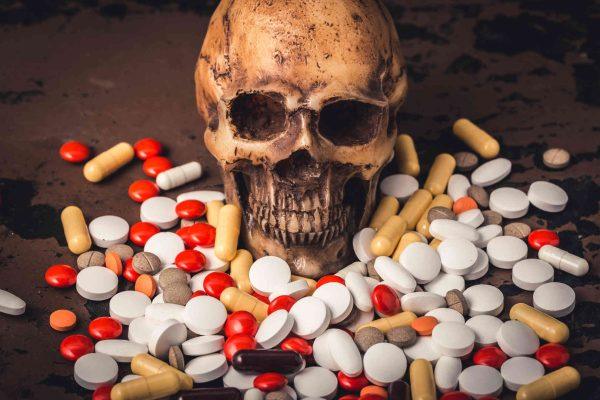
ISO belongs to the nitazene family, a class of synthetic opioids originally developed as alternatives to fentanyl. But unlike fentanyl, ISO does not show up on standard test strips that many residents rely on to check their drugs for dangerous additives. This means a person could consume what they believe is a safe dose, only to face a lethal reaction. The health department warns that these substances are appearing in counterfeit pills that mimic legitimate medications, making them nearly impossible to distinguish from the real thing.
An Invisible Threat in Plain Sight
The danger is compounded by the fact that these pills are manufactured in clandestine labs with no quality control. Opioid concentrations can vary wildly from one pill to the next, turning every use into a gamble. As San Francisco's Tenderloin faces new opioid crisis as ISO spreads undetected, health officials emphasize that the only truly safe approach is to avoid any medication not obtained from a licensed pharmacy with a valid prescription.
For Latino families in San Francisco, this crisis hits close to home. Many in the community work in essential jobs that leave them vulnerable to economic stress, and the black market for counterfeit pills often preys on those seeking cheaper alternatives to prescription medications. No pill bought on the street can be considered safe, regardless of how authentic it looks. The health department's alert underscores that the potency of these synthetic opioids outstrips the capacity of emergency responders to reverse overdoses quickly.
What Makes ISO So Dangerous?
ISO's chemical structure is designed to evade detection, but its effects are anything but subtle. It binds to opioid receptors in the brain with a strength that can cause respiratory failure within minutes. Unlike fentanyl, which has become a household name, ISO remains relatively unknown, which makes it even more insidious. The city's public health officials are racing to spread awareness, but the challenge is immense.
In neighborhoods like the Mission District, where Latino culture thrives, community organizations are stepping up to educate residents. They are distributing information in Spanish and English, urging people to recognize the signs of an overdose and to carry naloxone, which can reverse the effects of opioids. However, naloxone may require multiple doses against these new compounds, adding another layer of risk.
This crisis is not isolated to San Francisco. As synthetic opioids continue to evolve, cities across the United States are facing similar challenges. But for the Latino community, the stakes are particularly high. Language barriers, immigration status concerns, and limited access to healthcare can prevent people from seeking help or reporting suspicious pills. Staying safe requires constant vigilance, and that means talking openly with family members, especially young people, about the dangers of unregulated drugs.
Health authorities are also collaborating with local clinics and community centers to provide free test strips that can detect some opioids, though ISO remains a blind spot. The message is clear: if a pill didn't come from a pharmacy, don't trust it. For those who need help, resources like the San Francisco Department of Public Health's overdose prevention hotline are available.
As the city mourns the first victims of this new wave, the Latino community must remain informed and proactive. The fight against ISO is not just a public health battle—it's a fight to protect our families, our neighbors, and our future.