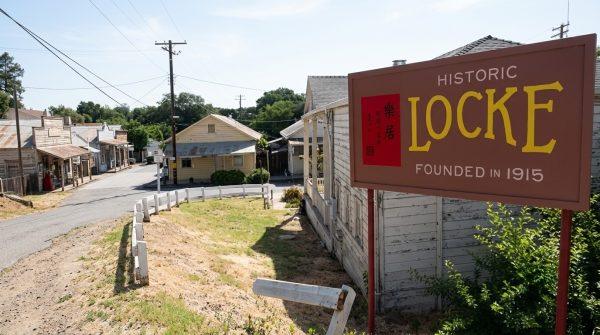
In the Sacramento River Delta, about 50 miles south of Sacramento and six hours from Los Angeles, lies a small wooden town that defied the odds. Locke, California, was built by Chinese immigrants in the early 20th century, a time when laws barred them from owning land. Today, it's a National Historic Landmark that preserves a unique chapter of American history—one that resonates with Latino communities familiar with the immigrant experience of building a life in a new country.
The story begins in 1915, after a fire razed the Chinatown in nearby Walnut Grove. Entrepreneur Lee Bing struck a verbal agreement with landowner George Locke Jr. to lease a 3.6-acre plot. Since foreigners couldn't own property under California law, the Chinese community constructed their own wooden buildings—homes, businesses, and social spaces—creating a self-sufficient settlement. By 1917, 45 one- and two-story structures stood, forming the heart of what would become Locke.
A Thriving Hub in the Delta
From the 1920s to the 1940s, Locke was a vibrant community of about 600 residents. It boasted Chinese language schools, theaters, hotels, boarding houses, grocery stores, and even clandestine taverns during Prohibition. The town became an economic center for the Delta, attracting workers from various backgrounds who sought a safe haven to preserve their traditions. This resilience mirrors the spirit of many Latino towns across the Americas, where community solidarity often overcomes systemic barriers.
The repeal of the Alien Land Law in 1943, however, triggered a gradual population decline. Many residents moved away, and by 2004, the Sacramento Housing and Redevelopment Agency acquired the site to undertake critical structural repairs. Today, the Locke Foundation works with local authorities to maintain the buildings' integrity, ensuring that Locke remains a living testament to human endeavor.
Cultural Landmarks and Preservation
Visitors to Locke can explore original structures that house museums and exhibits. Everyday objects—work tools, calligraphy materials, and photographs—tell the story of a community that thrived despite discrimination. The town's wooden architecture, rare for its era, stands as a monument to the ingenuity of its founders. For Latinos, this history echoes the barrios and colonias that dot the Southwest, where immigrant families built neighborhoods from scratch.
Locke's relevance extends beyond its architectural value. Researchers study how Chinese immigrants shaped the Delta's agricultural development, much like Latino farmworkers have done in California's fields. The town's story is a reminder that the state's diversity is built on the labor and dreams of immigrants from many lands.
For those interested in exploring California's hidden histories, Locke offers a unique perspective. It's a place where the past is tangible, and where the struggle for property and dignity is etched into every wooden plank. As the state continues to support cultural promotion initiatives, Locke remains a must-visit for history lovers in the American West.
If you're curious about other communities that have shaped California, check out AI Reveals California's Most Latino-Friendly Towns for Cultural Connection. And for those concerned about housing affordability, California's $11.25 Billion Housing Plan: What It Means for Latino Families offers insights into current policies.
Locke's story is not just about the past—it's a living lesson in resilience. As you walk its streets, you're walking through a history that continues to mark America, reminding us that the immigrant spirit is woven into the fabric of this nation.