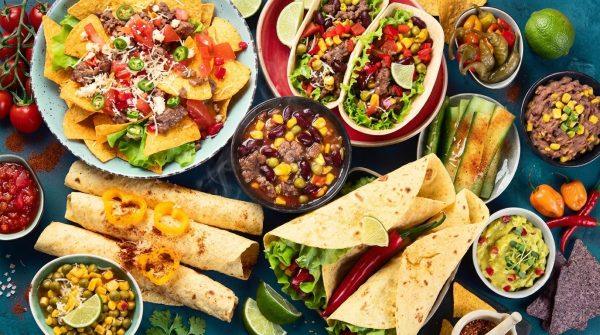
For generations, Mexican kitchens have relied on corn and beans as staples. Now, a growing body of research confirms that these humble ingredients do more than satisfy hunger—they actively protect against cancer. Recent studies published between 2024 and 2026 highlight how the traditional Mexican preventive diet, built around the milpa pattern of corn, beans, squash, and chili, reduces the risk of various oncological diseases.
Scientists at Mexico's National Autonomous University (UNAM) and the National Polytechnic Institute have identified key compounds in these foods—polyphenols and flavonoids—that trigger apoptosis, the natural death of damaged cells. This process transforms everyday meals into a biological shield against chronic inflammation and tumor development.
The Science Behind the Shield
Corn and beans are rich in antioxidants, dietary fiber, and resistant starch. These elements regulate metabolism and limit the proliferation of pathogens that compromise immune stability. Varieties like Negro San Luis beans contain high concentrations of quercetin and kaempferol, molecules that block cellular oxidation. Epidemiologists observe a notable inverse correlation between their consumption and the development of specific conditions.
Data collected by experts show that individuals who maintain an adequate Mexican preventive diet demonstrate a reduction in colon cancer risk of up to 47 percent, along with considerable decreases in prostate and breast cancer cases. The National Technological Institute of Mexico has documented how bioactive peptides derived from beans successfully stop the replication cycle in malignant tissues.
This finding reinforces the idea that nutrition transcends basic feeding to position itself as an affordable and accessible therapeutic alternative. By prioritizing natural ingredients over ultra-processed options, communities can mitigate severe health risks through simple dietary choices.
Beyond Cancer Prevention
The benefits extend beyond oncology. Corn provides anthocyanins and carotenoids that prevent hypertension and chronic cardiovascular conditions. Beans supply essential amino acids like lysine and tryptophan, creating a balance of plant-based proteins. The nixtamalization process of corn increases the availability of resistant starch, strengthening the colon's microbiota.
Together, these grains stimulate metabolic processes that reduce the accumulation of carcinogenic agents. The phytonutrients act in a coordinated manner, mimicking the effects of a natural polypharmacy. They integrate low-glycemic index nutrients, serving as pillars in the Mexican preventive diet and allies of metabolic health.
The Milpa Model
Researchers at Frontiers in Nutrition propose the milpa dietary pattern as a functional model of health. Its ability to act on multiple metabolic pathways simultaneously surpasses the efficacy of various conventional synthetic treatments. This system, which also includes squash and chili, generates a superior chemical synergy that protects the body against external factors and internal imbalances.
This validates the historical role of these components in achieving a long life—a legacy of ancestral well-being. The versatility of these seeds allows local eating habits to adapt to any lifestyle, providing not only protection against cancerous formations but also effective regulation of glucose and cholesterol levels.
Leveraging these natural resources proves that returning to culinary roots provides measurable scientific benefits. Every plate can function as a barrier against the physical deterioration that characterizes modern urban life and its associated nutritional deficiencies.
What's Next
Although preclinical evidence is conclusive, the scientific community emphasizes the need to continue with human clinical trials that map out every benefit of these grains. This would allow traditional eating habits to be formally integrated into global medical recommendations. The commitment to consuming native varieties of corn and fresh legumes ensures that future generations maintain this biological advantage, strengthening their natural defense systems through the constant and strategic use of Mexican foods against cancer.
For those interested in how traditional foods can support health in other contexts, check out our coverage of Benny Blanco's Devotion to Selena Gomez Through Mexican Rice and Tamales, which highlights the cultural significance of these ingredients. Also, recent concerns about food safety, like the Cyclospora Outbreak: 5 High-Risk Foods to Avoid and Safer Alternatives, remind us of the importance of fresh, properly prepared produce. Meanwhile, the Fastest-Growing US Industries for Latinos: Healthcare, Construction, Tech show how our community is thriving across sectors.