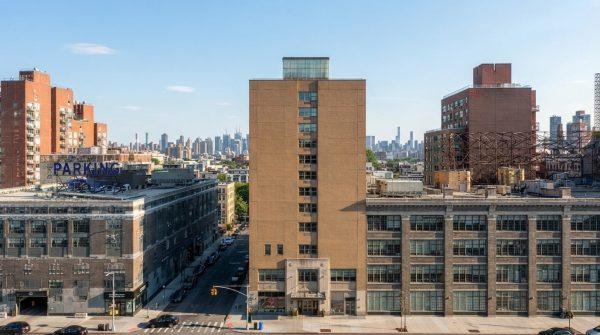
New York City health authorities have launched a formal investigation at North Shore Towers, a large residential complex along Grand Central Parkway in Queens, after confirming two cases of Legionnaires' disease among residents. The New York City Department of Health and Mental Hygiene is conducting a detailed review of the building's domestic hot water system, while initial checks have ruled out cooling towers as a source. Officials stress that this is not a community-wide outbreak and that the public water supply remains safe for everyday use.
The two cases have raised particular concern because North Shore Towers houses a significant number of older adults, a group especially vulnerable to severe respiratory infections. Family members of elderly tenants have voiced anxiety about the living environment and are calling for constant clinical monitoring. In response, building management says it is cooperating fully with health inspectors and has implemented additional safety filters as a precaution.
Investigation focuses on hot water system
Inspectors are zeroing in on the plumbing and hot water circulation within the complex, taking samples and reviewing maintenance records. While laboratory results are still pending, officials have not yet confirmed the presence of Legionella bacteria in the pipes. The epidemiological investigation remains open, and the city has formally notified building management of required mitigation steps.
Residents have been advised to take basic precautions, such as running taps briefly before use, while testing continues. The city is also issuing daily updates to tenants to counter misinformation and ease fears. "We are committed to transparency and will keep the community informed at every stage," a health department spokesperson said.
This is not the first time New York has dealt with Legionnaires' in large residential buildings. Past incidents in the Upper East Side and the South Bronx have led to stricter protocols and more aggressive testing in high-rise complexes. Health experts say the city's response has improved significantly, but they emphasize the need for vigilance, especially in buildings with older residents.
For families of elderly tenants, the wait for answers is stressful. "My mother has lived here for years, and now we're worried every time she coughs," said one relative, who asked not to be named. "We just want the building to be safe."
Legionnaires' disease is a severe form of pneumonia caused by inhaling water droplets contaminated with Legionella bacteria. Symptoms include cough, fever, chills, and shortness of breath, and it can be fatal for older adults or those with weakened immune systems. Health officials urge anyone experiencing these symptoms to seek medical attention promptly.
While the investigation continues, the city has set up a hotline for residents with questions or concerns. Building management has also pledged to keep residents updated through notices and community meetings. For now, the focus remains on identifying the source and preventing any further cases.
This incident comes amid broader concerns about housing conditions in Queens, where many older buildings face aging infrastructure. Affordable housing options are scarce, and residents often have limited ability to relocate. The situation at North Shore Towers underscores the importance of regular maintenance and swift action when health risks emerge.
As the investigation unfolds, health officials are also reminding the public that Legionnaires' is not spread person-to-person, and that the risk to the wider neighborhood remains low. Still, for the families of the two affected residents, the concern is deeply personal. "We just want answers," said another family member. "And we want to make sure this doesn't happen to anyone else."
The city has promised to release the results of the water tests as soon as they are available, and to take any necessary corrective actions. In the meantime, residents are advised to stay informed and report any respiratory symptoms to their doctor or the health department.
For those following the story, it's a reminder that even in a city as vast as New York, the health of a single building can have ripple effects. As one health expert put it, "We're all connected by the water we share."