Panama City Beach has officially pulled the plug on a long-planned stormwater drainage project, a decision that leaves the popular Gulf Coast community without a much-needed fix for chronic flooding near Lullwater Lake. Mayor Stuart Tettemer confirmed the infrastructure plan is dead after projected costs ballooned from $22 million to $61 million, a jump that made the original budget impossible to sustain.
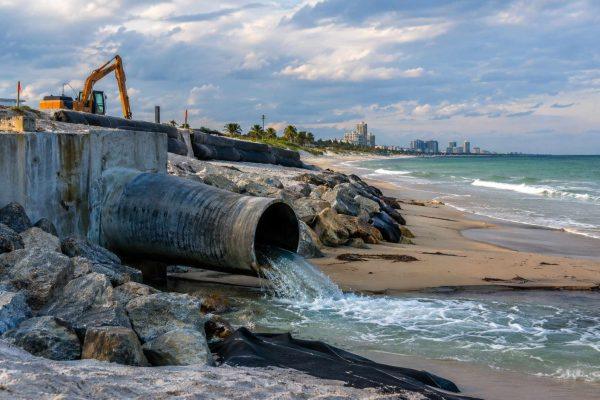
The project was designed to reroute stormwater from Lullwater Lake and the Calypso resort tower through underground pipelines stretching nearly 1,500 feet into the Gulf of Mexico. The goal was twofold: reduce street flooding in low-lying neighborhoods and improve water quality along the shoreline, a concern that has grown as coastal development intensifies.
Inflation and supply chain costs derail the plan
When the city first secured a $21 million state grant in 2021 through Florida’s Hurricane Michael recovery programs, officials expected the funding to cover most of the work. But when contractor bids came in, the numbers told a different story. Persistent inflation and soaring supply chain expenses had pushed construction costs far beyond what anyone had anticipated, leaving a $39 million gap that local government simply could not bridge.
“We’re not in a position to absorb that kind of increase,” Tettemer said in a statement, acknowledging that the city had already spent roughly $3 million on engineering and environmental studies. Rather than chase additional state funding, the city council voted to return the remaining grant balance to state administrators, a move aimed at avoiding further fiscal strain.
The decision is a setback for residents who have dealt with flooding for years, especially after Hurricane Michael devastated the region in 2018. For now, they’ll have to rely on the existing drainage system, which many locals say is outdated and inadequate for the area’s growing population.
Lessons from other coastal communities
Supporters of the project often pointed to similar offshore outfall systems, like the one in Myrtle Beach, South Carolina, which earned EPA recognition in 2017 for reducing street flooding and improving environmental standards. But Panama City Beach leaders concluded that replicating that success is simply not feasible under current financial conditions.
This isn’t just a Florida problem. Coastal communities across the country are grappling with the same harsh math: the cost of building climate-resilient infrastructure is climbing faster than budgets can keep up. From New Jersey to Massachusetts, municipal leaders are facing tough choices as they try to protect vulnerable shorelines from severe storms and rising seas.
For Panama City Beach, the cancellation is a reminder that even well-intentioned projects can fall victim to economic realities. The city now plans to explore alternative flood management strategies, though no concrete proposals have been announced yet.
As Florida homeowners face insurance costs that outpace tax worries, the strain on public infrastructure budgets adds another layer of pressure. And with king tides leaving South Florida drivers with costly saltwater damage, the need for effective drainage solutions has never been more urgent.
For now, Panama City Beach residents are left waiting, hoping that city leaders can find a way to address the flooding before the next big storm hits. The decision to scrap the project may be fiscally prudent, but it leaves a lingering question: what happens when the water rises again?