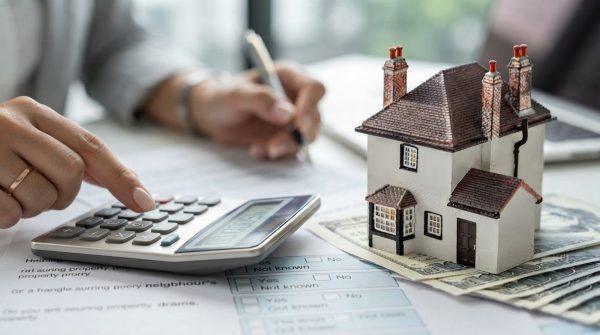
Owning a home in the United States has become noticeably more expensive over the past few years, and property taxes are a big reason why. Between 2019 and 2026, the average property tax bill surged by nearly 25%, reaching about $4,300 per homeowner. That’s a heavy load for families, especially those who’ve already paid off their mortgages but still face rising annual costs.
The average effective tax rate now sits at 0.86% of a home’s market value. But because home values have climbed steadily, even that modest percentage translates into bigger bills every year. Retirees and people on fixed incomes are feeling the squeeze most, as local governments lean heavily on property taxes to fund schools, roads, and public services.
Tennessee: The Biggest Jump
Tennessee stands out because it has no state income tax, yet it’s found a way to generate revenue through real estate. According to the Beacon Center of Tennessee and an Americans for Tax Reform analysis released in August 2026, property taxes in the Volunteer State have risen by more than 75% since 2019—the steepest increase of any state.
In Davidson County, which includes Nashville, property reevaluations triggered a sharp 45% jump in median assessed values. Vivian Wilhoite, the local property assessor, explains that homeowners can appeal the assigned value but not the tax rate itself. That means residents must focus their efforts on challenging the assessment, and they only get one window each year to do so.
Where the Burden Is Heaviest
New Jersey remains the most expensive state for property taxes, with the average homeowner paying around $10,134 annually and an effective rate of 1.56% on single-family homes. Illinois comes in second, with similarly high rates. On the flip side, Hawaii, Alabama, and Utah have the lightest tax footprints, staying below 0.5% of home value.
New York ranks sixth nationally, with an average effective rate of 1.28% and annual payments ranging from $5,500 to $6,600. But within the state, the differences are stark. Nassau and Westchester counties see rates between 2.0% and 2.5%, with annual bills from $12,000 to $16,000. Meanwhile, New York City’s outer boroughs have more moderate rates of 0.73% to 0.95%. The city of Binghamton records the highest metropolitan rate in the country at 2.46%, meaning families there face hefty charges baked into their monthly mortgage payments through escrow accounts.
For Latino homeowners, these increases can be especially challenging. Many are first-time buyers or have recently purchased homes in areas where values are climbing fast. Understanding how to navigate the system is key.
How to Fight Back
Real estate experts stress that property taxes are unavoidable, but there are ways to push back. The most effective strategy is to appeal your assessment. Municipalities allow homeowners to contest the assigned value if they believe it’s inaccurate—perhaps due to errors in square footage, lot size, or condition. The window to file an appeal typically opens between February and June, depending on the locality.
To build a strong case, gather evidence of comparable home sales in your neighborhood. If your increase is significantly higher than the average, it may be worth consulting a specialized attorney. Proactive engagement with your local assessor’s office can make a real difference in reducing your bill.
For those considering a move, it’s worth noting that some states are more affordable than others. Florida's retirement dream fades as seniors seek cheaper states, and similar trends are playing out across the country. Meanwhile, Texas cities weigh property tax hikes and service cuts as they grapple with budget gaps.
If you’re a homeowner, staying informed about your local tax rules is essential. And if you’re thinking about buying, Texas property law SB 17 could affect your plans. The key is to be proactive, not reactive, when it comes to property taxes.