Every year, from September 15 to October 15, the United States turns its attention to the rich tapestry of Latino culture. What started as a modest week-long observance in 1968 has grown into a month-long national tradition, a testament to the enduring influence of the Hispanic community. But how did this celebration come to be, and why does it hold such a special place in the American calendar?
The legislative roots of a cultural milestone
The story begins in the late 1960s, a time of social change and civil rights activism. In 1968, Congressman George E. Brown Jr., along with Representatives Edward R. Roybal and Henry B. González, introduced a resolution in the House of Representatives to honor the contributions of Latino Americans. Their efforts bore fruit when President Lyndon B. Johnson signed the proclamation establishing National Hispanic Heritage Week. This was a significant step, recognizing the growing presence and impact of Latinos in the nation.
Two decades later, in 1988, President Ronald Reagan signed legislation that expanded the week into a full 30-day celebration. This change reflected the increasing diversity of the country and the desire to give proper recognition to a community that was becoming an integral part of the American fabric. The timing was deliberate, chosen to align with the independence anniversaries of several Latin American nations.
Why mid-September? A nod to Pan-American history
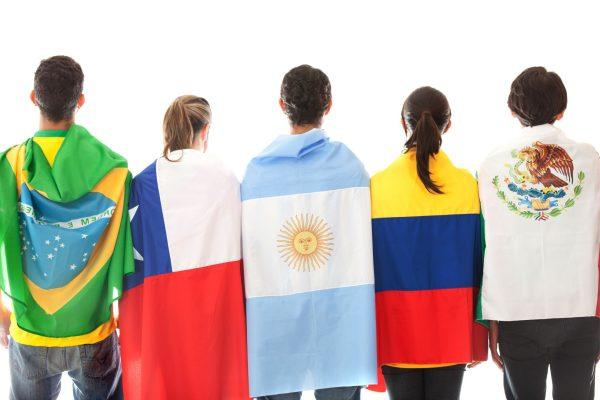
The start date of September 15 is not arbitrary. It marks the anniversary of independence for five Central American countries: Costa Rica, El Salvador, Guatemala, Honduras, and Nicaragua. The celebration continues with Mexico's independence on September 16, Chile's on September 18, and Belize's on September 21. Additionally, October 12, known as Columbus Day or Día de la Raza, is included to acknowledge the historical encounter of cultures in the Americas. This multi-country framework underscores the diverse heritage that Hispanic Americans represent, from the Caribbean to the Southern Cone.
As Claudia Romo Edelman, a prominent advocate for Hispanic causes, often points out, this month is not just about celebration but also about recognition and visibility. It's a time when the nation collectively acknowledges the contributions of Latinos in every field, from arts and science to politics and business.
The demographic weight of the Hispanic community
According to the U.S. Census Bureau, the Hispanic population now exceeds 62.6 million, making up about 18.9% of the total U.S. population. This demographic is heavily concentrated in states like California, Texas, Florida, and New York, each home to over a million Hispanic residents. This growth has made Spanish the second most spoken language in the country, influencing everything from education and the workforce to media and civic leadership.
The impact is visible in everyday life. From the foods we eat to the music we listen to, Latino culture has become woven into the American experience. This month serves as a reminder of that influence, but also as a call to action to address ongoing disparities in areas like education, healthcare, and economic opportunity.
Celebrations and advocacy across the nation
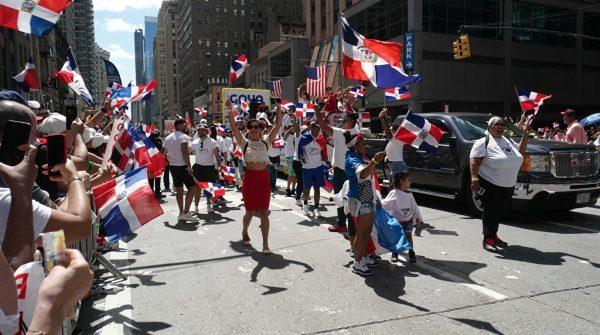
Throughout the month, schools, local governments, and community organizations host a variety of events: art exhibitions, film festivals, culinary fairs, and academic panels. One of the most anticipated events is the National Hispanic Day Parade in New York City, which brings together delegations from 21 Spanish-speaking countries, showcasing traditional music and dance. Similar celebrations take place in cities like Los Angeles, Miami, and Chicago, each adding their own local flavor.
But Hispanic Heritage Month is more than just a series of festivities. It's also a platform for advocacy. Organizations use this time to highlight socioeconomic challenges, push for better educational access, and encourage political participation. It's a moment to reflect on the progress made and the work still needed to ensure equal opportunities for all Latinos.
For many, this month is also a time to connect with their roots. As Latina beauty traditions passed down through generations remind us, heritage is not just about history but about living culture. Similarly, the Labor Day weekend celebrations across the country show how Latino culture is celebrated year-round, not just during this designated month.
In recent years, the celebration has also intersected with sports, as seen in the recognition of Hispanic athletes in college football. These moments highlight the breadth of Latino achievement and the importance of representation in all arenas.
As we observe Hispanic Heritage Month, it's worth remembering that this is not just an American tradition but a bridge between cultures. It's a time to honor the past, celebrate the present, and inspire the future. Whether you're of Latino descent or simply appreciate the culture, this month offers an opportunity to learn, share, and grow together.