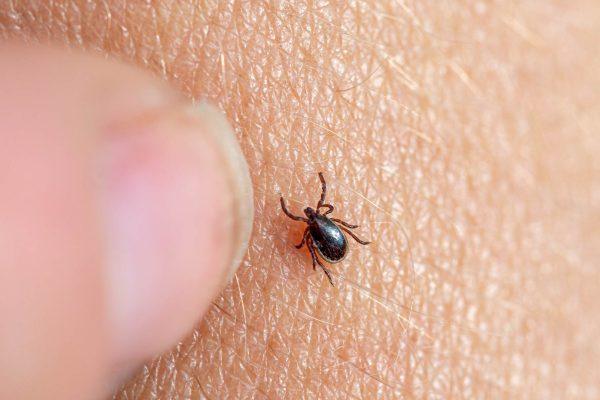
Public health officials across the United States are raising alarms about a noticeable increase in Powassan virus cases, a tick-borne illness that poses serious neurological risks. For Latino communities living in or traveling to affected areas—from New York to Michigan—understanding this disease is crucial, especially as outdoor activities ramp up during spring and summer.
The Powassan virus is transmitted by the blacklegged tick, also known as the deer tick (Ixodes scapularis). Unlike Lyme disease, which can take 24 to 48 hours to transmit, Powassan can infect a person in as little as 15 minutes after a tick attaches. This rapid transmission makes traditional tick checks less reliable for prevention.
Where Powassan Is Spreading
While overall cases remain rare—fewer than 250 were reported nationwide between 2012 and 2026—the current surge is concentrated in specific regions. States like New York, Massachusetts, Connecticut, New Jersey, Pennsylvania, Michigan, Wisconsin, and Minnesota account for the vast majority of infections. Peak tick activity runs from late spring through mid-autumn, and environmental factors like warmer temperatures and changing rainfall patterns are expanding the ticks' range.
For Latinos living in these states, particularly those who work outdoors or enjoy hiking, camping, or gardening, awareness is key. The virus does not discriminate, but communities with limited access to healthcare or prevention resources may face higher risks.
Severe Neurological Risks and Long-Term Effects
Most people infected with Powassan virus show no symptoms or only mild flu-like signs. However, those who develop the neuroinvasive form face severe complications: encephalitis, muscle weakness, loss of coordination, speech difficulties, seizures, and paralysis. About 10% of severe cases are fatal, and nearly half of survivors experience permanent neurological damage, including cognitive impairments, chronic headaches, and motor deficits.
These outcomes are especially concerning for older adults and immunocompromised individuals, groups that include many Latino seniors who may already face health disparities. As rising costs squeeze Latino seniors, access to timely medical care can be a challenge.
No Cure, No Vaccine: What Prevention Looks Like
Currently, there is no vaccine or specific antiviral treatment for Powassan virus. Medical care is limited to supportive therapy—managing symptoms, providing respiratory support, and neurological rehabilitation. This reality underscores the importance of prevention.
The Centers for Disease Control and Prevention (CDC) recommends using EPA-certified insect repellents, wearing long-sleeved clothing, and keeping lawns short to reduce tick habitats. For Latino families, especially those with children or elderly members, these steps can be integrated into daily routines. Community gatherings, backyard barbecues, and outdoor celebrations—common in Latino culture—should include tick awareness.
In New York, where cases have been reported, officials are also warning about other vector-borne diseases. West Nile virus prevention tips for Latino communities offer similar guidance that applies to tick safety.
A Growing Threat in a Changing Climate
Environmental analysts link the spread of Powassan to climate change. Warmer winters and longer summers allow ticks to survive and reproduce in areas where they were once rare. This means that even states not traditionally associated with tick-borne diseases may see cases in the future. For Latinos living in the Midwest or Northeast, staying informed is essential.
As the 2026 World Cup approaches, with events planned in cities like Los Angeles and New York, public health officials are also monitoring disease patterns. ICE presence at the 2026 World Cup has sparked fear, but health risks like Powassan should not be overlooked.
In the absence of a cure, knowledge is the best defense. Latino communities can protect themselves by understanding the risks, using repellents, and seeking medical attention if symptoms develop after a tick bite. While the virus remains rare, its severity demands respect and proactive measures.