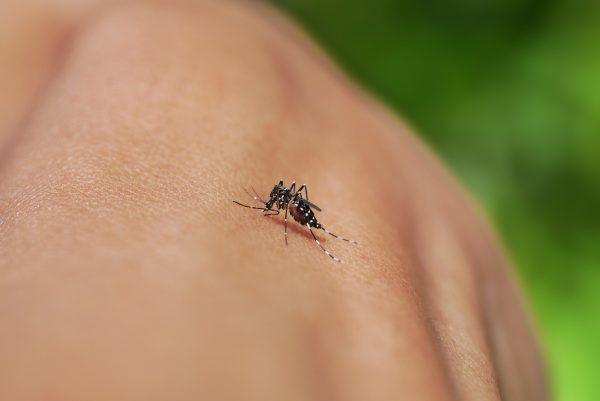
As summer heat and seasonal rains settle over New York, the city's mosquito season has kicked off earlier than usual. Health authorities are urging residents to take precautions, especially with nearly 70 mosquito species active in the region. Among them, the Culex mosquito, a known carrier of West Nile virus, poses a serious public health concern.
New York now ranks third on Orkin's national list of cities with the highest mosquito presence, based on residential fumigation data from the past year. This early start means that from April through October, vigilance is key. For Latino families across the five boroughs, understanding how to protect loved ones is more than a comfort issue—it's a health priority.
West Nile Virus: A Real Threat in the City
The Centers for Disease Control and Prevention (CDC) calls mosquitoes the deadliest creatures on Earth, responsible for over 600,000 malaria deaths globally each year. In the U.S., thanks to medical care, numbers are lower—around 2,000 annual cases—but local statistics keep officials on alert. Last year, New York State confirmed 56 cases of West Nile virus, a disease that can cause severe neurological illness.
For bicultural Latinos who may travel between the U.S. and Latin America, where dengue and Zika are also prevalent, these warnings hit close to home. The New York State Department of Health has outlined a straightforward prevention plan:
- Cover up: Wear long sleeves, pants, and thick socks during dawn, dusk, and early evening—peak mosquito hours.
- Use repellent: Apply EPA-approved insect repellents evenly on all exposed skin.
- Protect children: Install mosquito nets on strollers and carriers during outdoor walks.
Eliminate Breeding Grounds at Home
The most effective strategy is to remove stagnant water where mosquitoes lay eggs. The health department recommends weekly checks around your property:
- Dispose of containers: Get rid of old tires, cans, plastic pots, and anything that collects rainwater.
- Clean gutters: Remove leaves and debris from roof gutters to prevent water buildup.
- Maintain water features: Change birdbath water twice a week, keep pools chlorinated, and cover cisterns tightly. Use fine mesh on ventilation pipes.
Inside the home, experts suggest using air conditioning, keeping windows closed if screens have tears, and applying insecticides in dark, damp areas like garages or under furniture. For Latino families living in apartments or houses with small patios, these steps are simple yet powerful.
Community commitment in the coming weeks will shape how this season unfolds. With early action, New Yorkers can reduce the risk of West Nile virus and enjoy a safer summer. For more on health alerts, check out our coverage on the Hantavirus outbreak on cruise ships and tips for consistent sleep routines to boost overall wellness.