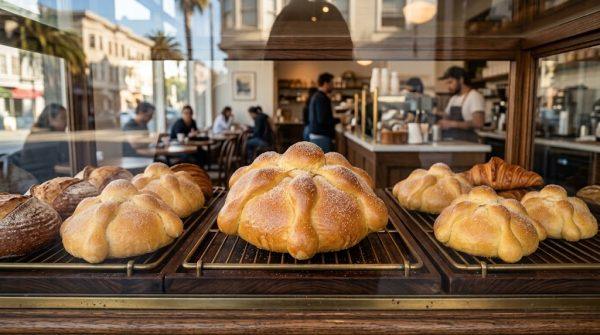
As October rolls in, the scent of orange blossom and anise begins to fill bakeries from San Antonio to Portland. Pan de muerto, the sweet bread that anchors Día de Muertos celebrations, has become a seasonal staple in US grocery aisles, and this year it’s easier than ever to find—with prices that won’t break the bank.
Major chains like Walmart and H-E-B are stocking their shelves with everything from individual pieces to family-sized loaves. At H-E-B, you can grab a small pan for $1.48 or a three-pack for $3.98. Over in Portland, Oregon, Miranda’s Bakery offers single pieces at $1.50. Walmart’s Freshness Guaranteed brand sells two-packs for $3.97, while regional Hispanic chains offer family packages ranging from $5.99 to $8.99. For those who want something more artisanal, specialty shops in San Antonio are taking advance orders for larger loaves at $25 to $27.50, and six-piece mini packs go for $25 to $30, according to The Dallas Morning News.
Why the price range?
The variation comes down to technique and ingredients. Mass-produced supermarket versions are convenient and affordable, but artisanal bakers often use traditional recipes that call for more time and higher-quality components. In the Dallas–Fort Worth metroplex, local bakeries list individual pieces between $3 and $5, reflecting the craft behind each loaf. For many families, the choice depends on whether the bread is for everyday snacking or for the ofrenda—the altar that honors loved ones who have passed.
If you’re planning to set up an altar, you might want to invest in a larger, handcrafted loaf. For a casual treat with coffee, a supermarket pack works just fine. Either way, the growing availability means more households can participate in this beloved tradition without stretching their budgets.
Tips for buying pan de muerto
- Check stock ahead: Call your local store or browse online catalogs to confirm availability and current prices before making a trip.
- Compare quality: Taste-test a supermarket version against an artisanal one to notice the differences in texture, sweetness, and decorative toppings.
- Consider shipping: If you’re far from a Hispanic bakery, services like Goldbelly can deliver fresh pan de muerto nationwide—12 pieces for $89.95, with delivery dates and storage tips provided.
- Match to your needs: Affordable retail packs are great for personal enjoyment, while larger artisanal loaves are ideal for altars and family gatherings.
For those living outside traditional Latino hubs, e-commerce has been a game-changer. Online platforms now ship freshly baked pan de muerto to any corner of the country, ensuring that even families in rural areas can receive an authentic taste of the holiday. This digital access has helped preserve culinary heritage while making it more convenient than ever.
The tradition itself has deep roots. Historians from Mexico’s National Institute of Anthropology and History (INAH) trace pan de muerto back to Mesoamerican rituals that were transformed after the Spanish introduced wheat in the colonial era. By the 18th century, European baking techniques had merged with indigenous customs, giving rise to the orange blossom and anise-infused dough we know today. The round shape symbolizes the cycle of life and death, the central knob represents a skull, and the bone-like strips on top are said to be the deceased’s remains—a delicious reminder of the connection between the living and the dead.
As the holiday approaches, retailers expect to keep pan de muerto on shelves through early November. Whether you’re a longtime devotee or new to the tradition, there’s no better time to bring a piece of México into your home. And if you’re curious about how Día de Muertos compares to Halloween, or want to learn more about the differences between these two celebrations, we’ve got you covered. For a deeper look at how families keep memories alive, check out how Latino families honor their loved ones. And if you’re building an ofrenda, don’t miss these surprising details about ofrendas.
So this season, as you pick up your pan de muerto, remember that each bite carries centuries of history and a whole lot of love. Whether you spend $1.50 or $30, you’re part of a tradition that spans borders and generations.