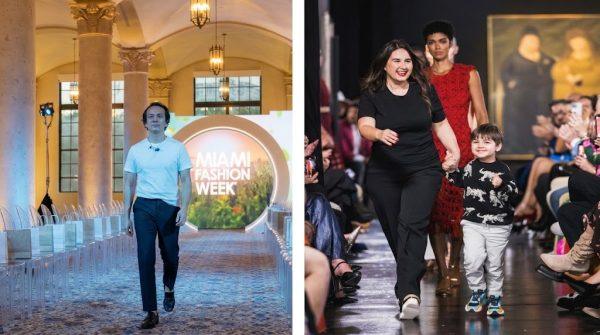
When the earth shook in La Guaira and Caracas on June 24, it left more than cracked walls and broken windows—it upended lives and communities. For Venezuelan designers Efraín Mogollón and Yenny Bastida, the tragedy struck close to home. Yet, just months later, they stood at the close of Miami Fashion Week, presenting collections that turned personal and collective grief into a celebration of resilience and craft.
The venue itself carried weight: the Freedom Tower, a 1925 landmark that once sheltered some 650,000 Cuban refugees between 1962 and 1974. For a diaspora audience, the symbolism was unmistakable—a place of refuge now hosting a new wave of Latin American creativity. Bastida’s collection, Morena del alma, paid homage to the tamunangue tradition of El Tocuyo, a sacred Afro-Venezuelan ritual. Her garments, woven on vertical looms, caught the eye of Vogue editors and international buyers alike.
Breaking the runway mold
The aesthetic was anything but conventional. Cascading floor-length fringes met commercial denim, fused with handwoven fabrics from two-pedal looms. It was a bold blend of ancestral technique and urban edge, proving that tradition and modernity can coexist on the same runway. The evening unfolded to the sounds of the Venezuelan cuatro and maracas, grounding the spectacle in the rhythms of home.
Mogollón, for his part, offered a study in precision and elegance. One standout piece: a dress crafted from an embroidered white altar tablecloth, paired with a skirt made from deconstructed palm hats. It was a striking reimagining of everyday sacred objects, elevating them into high fashion. His work demonstrated that creators can thrive from Venezuela, even amid sociopolitical challenges.
The reception from American buyers was enthusiastic, signaling a growing appetite for authentic designs that carry Hispanic heritage into contemporary urban style. Industry analysts note that platforms like Miami Fashion Week are vital for Latin American talent, opening doors to luxury stockists across North America and Europe.
Yenny Bastida: from Lara to the world
Bastida, originally from Sanare in Lara state, has become a leading voice in sustainable luxury fashion. Her signature approach marries centuries-old Venezuelan textile techniques with architectural silhouettes, honoring her roots while building an international presence. Over the years, she has returned to Miami Fashion Week multiple times, solidifying her role as a bridge between South American craftsmanship and global markets.
Her work also carries a social mission. By partnering with rural artisan communities, especially weavers who keep vertical and two-pedal loom traditions alive, Bastida empowers local economies. Her collections translate cultural folklore—like the tamunangue—into commercial designs, from intricate knitwear to handcrafted denim pieces. It’s a model that proves authenticity and rigorous craftsmanship can build lasting authority in modern fashion.
Cultural impact and commercial growth
The ripple effects extend beyond the runway. Integrating traditional looms strengthens local weaving economies and preserves techniques passed down through generations. Showcasing at high-profile venues boosts commercial interest, while pairing commercial denim with Spanish embroidery offers striking appeal for retail distribution. Turning traumatic events into luxury collections solidifies design leadership across the region.
For South Florida buyers, the response has been particularly strong, opening new wholesale opportunities for South American fashion houses. As Miami continues to grow as a hub for Latin American culture—from its Venezuelan restaurants to its fashion scene—the city provides a natural launchpad for designers seeking to reach U.S. audiences.
Miami Fashion Week’s role in this evolution cannot be overstated. It guarantees a platform for independent brands to scale globally, while reminding us that cultural authenticity and artisanal precision are the ultimate foundations for winning over the world’s most demanding markets. For Mogollón and Bastida, the journey from tragedy to triumph is a testament to the enduring power of creativity.