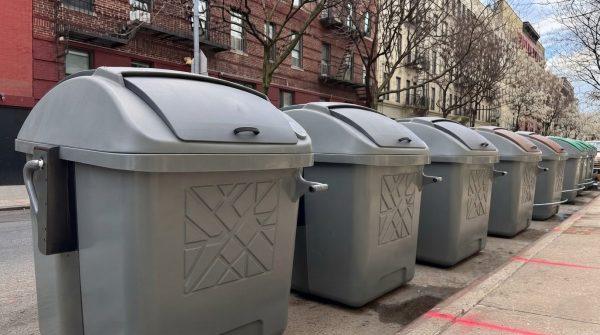
New York City's ambitious plan to clean up its streets with mandatory trash bins has hit a major snag: the very company chosen to supply those bins has gone bankrupt. The manufacturer, which had invested over $20 million in production infrastructure, filed for Chapter 7 bankruptcy after accumulating $2.6 million in unpaid debts to plastic vendors and seeing sales fall far below projections.
The city's Department of Sanitation had mandated that all property owners use standardized containers to reduce rodent populations and improve urban cleanliness. But the rollout has been anything but smooth. The supplier, which had expected a steady stream of orders, saw weekly demand collapse as the program staggered into effect. With 40,000 unsold bins worth $3 million sitting in inventory, the company had no choice but to shut down operations.
A cautionary tale for public-private partnerships
This bankruptcy is more than a business failure; it's a warning about the fragility of relying on a single supplier for a citywide initiative. The contract apparently lacked guaranteed purchase commitments, leaving the manufacturer exposed when orders didn't materialize. As a result, the city now faces the challenge of finding alternative suppliers while property owners scramble to comply with the mandate.
Starting September 8, the Department of Sanitation will begin issuing fines to property owners who fail to use the required bins. This has sparked anxiety among landlords and building managers, many of whom have already purchased bins but now worry about the quality and availability of replacements. Some are calling for extensions, arguing that the city's own mismanagement has put them in an impossible position.
Urban planning experts point out that this situation underscores the need for more robust contingency planning in municipal contracts. "When you tie a public health initiative to a single vendor, you're betting the whole program on that company's financial health," says María Fernanda López, a Bogotá-based urban policy analyst. "The city should have diversified its supply chain from the start."
The city, however, remains steadfast. Officials emphasize that the bins are essential to reducing the rat population and improving sanitation across all five boroughs. They argue that the bankruptcy is a private sector issue and that the mandate will continue regardless. "Our commitment to cleaner streets is unwavering," a sanitation spokesperson said. "We are working to ensure that property owners have access to compliant bins."
For many New Yorkers, especially those in the Latino community who have long called for better sanitation in their neighborhoods, this is a frustrating setback. In areas like Washington Heights and Corona, where residents have historically faced neglect in city services, the bin mandate was seen as a step forward. Now, they worry that the chaos will delay real improvements.
Meanwhile, the financial fallout is rippling through the industry. Investors are wary of similar contracts, and other suppliers are hesitant to step in without guarantees. The city may need to renegotiate terms or even consider producing bins through a public agency, a move that would be unprecedented but could ensure stability.
As the September deadline approaches, property owners are left with more questions than answers. Will they be fined for using bins that are no longer officially sanctioned? Can they purchase bins from other manufacturers? The city has yet to provide clear guidance, leaving many to navigate the confusion on their own.
This saga is a reminder that even the best-intentioned policies can stumble when they ignore the economic realities of implementation. For now, New Yorkers can only hope that the city learns from this debacle and finds a way to move forward without leaving residents holding the bag.