As summer heat pushes New Yorkers outdoors, many are wondering about the rules around nude sunbathing in their own backyards. The short answer: it's legal, but only if you're completely hidden from public view. The longer answer involves state penal codes, a landmark court decision, and a lot of common sense about fences and sightlines.
What the law says about nudity on private property
New York Penal Law doesn't specifically mention sunbathing, but it does address public lewdness. Under the statute, intentionally exposing private body parts in a lewd manner in public is a crime. The key word here is "public." If you're in your backyard and a neighbor or passerby can see you, that space effectively becomes public in the eyes of the law. So, if your yard is open or your fence has gaps, you could be at risk of a lewdness charge.
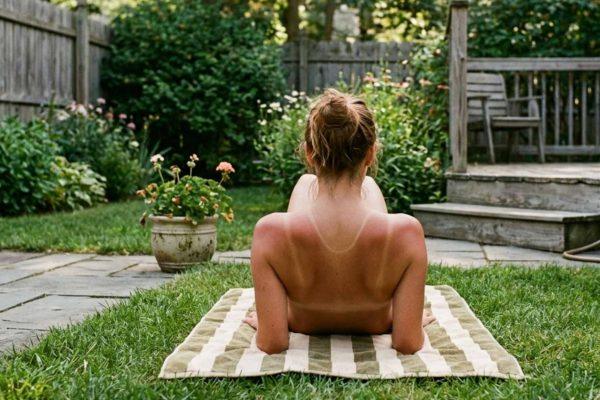
To stay legal, your backyard must be completely secluded. That means tall, solid fences, dense hedges, or other barriers that block any line of sight from neighboring homes, streets, or sidewalks. Even a second-story window in a neighbor's house can count as a public viewpoint. So before you strip down, do a careful survey of your property from every angle.
The 1992 ruling that changed topless rights
New York has a unique legal history when it comes to topless exposure. In 1992, the state's Court of Appeals ruled that prohibiting women from going topless in public places where men are allowed to be shirtless is unconstitutional. That decision, People v. Santorelli, essentially made toplessness legal for everyone in New York City and across the state, as long as it's not done in a lewd manner.
This ruling means that in your own backyard, topless sunbathing is generally fine, even if you're visible, as long as you're not being lewd. But full nudity is a different story. The lewdness statute still applies, and being fully nude in view of others could be considered a violation.
Privacy tips for worry-free tanning
If you want to enjoy a clothing-optional afternoon, start by assessing your property's privacy. Check the height of your fence—six feet is usually a good benchmark, but taller is better if you have multi-story neighbors. Look for gaps, holes, or areas where the fence doesn't meet the ground. Consider adding lattice, bamboo screens, or outdoor curtains to close off any openings.
Also, think about your own home's windows. If you're visible from your own house, that's fine, but if a neighbor's second-floor window overlooks your yard, you'll need to block that sightline. A simple canopy or pergola with drapes can do the trick.
Remember, the law is on your side if you're truly hidden. So take the time to make your space private, and you can enjoy the sun without legal worries.
For more on navigating New York's unique rules, check out our piece on the state's assisted dying law, which has sparked its own debates. And if you're a parent, you might also be interested in body safety rules to teach your kids—a topic that's always relevant.
Ultimately, nude sunbathing in your New York backyard is a personal choice that comes with clear legal boundaries. Stay hidden, stay respectful, and you can soak up the summer sun in peace.