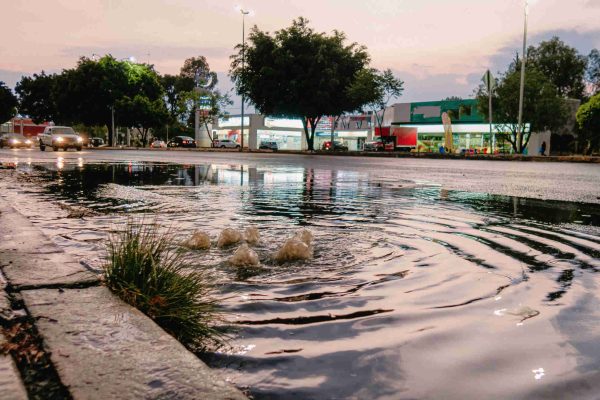
Los Angeles is bracing for an unusual holiday threat: record coastal flooding that arrives without a single storm. The National Oceanic and Atmospheric Administration (NOAA) has issued a stark warning for the Thanksgiving and Christmas season, as tide gauges along the Southern California coast log overflow days at a pace never seen before.
Oceanographer Karen Kavanaugh, who oversees the region's tide gauge network, confirmed that instruments operating since 1923 have already recorded 12 days of water levels exceeding safety thresholds. That surpasses the previous record set in 1983—and October's data hasn't even been fully processed yet. The trend points to a season of persistent, sunny-day flooding that could disrupt holiday travel, damage vehicles, and corrode coastal infrastructure.
Why the ocean is rising without a storm
This isn't your typical winter swell or tropical cyclone. Scientists describe the phenomenon as sunny day flooding, and it's being driven by a rare alignment of natural forces. King tides, caused by the moon's proximity to Earth, are combining with an intense marine heatwave that thermally expands the ocean's surface. Add to that the gradual arrival of a Kelvin wave pushed by El Niño, and you get a recipe for water levels running 15 to 30 centimeters above normal.
That may not sound like much, but when layered on decades of global sea-level rise, it's enough to push seawater into low-lying neighborhoods from San Diego to Santa Barbara and Santa Monica. The same dynamics have been stirring up surf and swell along the Southern California coast in recent weeks, a reminder that the ocean's mood can shift quickly.
For Latino communities in coastal cities like Long Beach, San Pedro, and Venice, many of whom have deep ties to the ocean economy—from fishing to port work—the flooding is more than an inconvenience. It threatens livelihoods and homes, and it's a stark example of how climate change is reshaping life in the Americas.
Preparing for a wet holiday season
Local authorities and NOAA are urging residents to act well before the turkey is in the oven. That means moving vehicles out of low-lying areas to protect them from saltwater corrosion, stocking up on sandbags, and keeping them in place for weeks, not just a single high tide. The National Weather Service will be issuing regular updates, and officials stress that even a minor atmospheric disturbance—like a passing low-pressure system—could dramatically worsen the flooding.
While scientists can predict the highest tides of the year, they can't foresee every variable. That's why the message is to stay informed and have a plan. For those with family visiting for Thanksgiving or Christmas, it's worth checking road closures and parking restrictions in coastal zones.
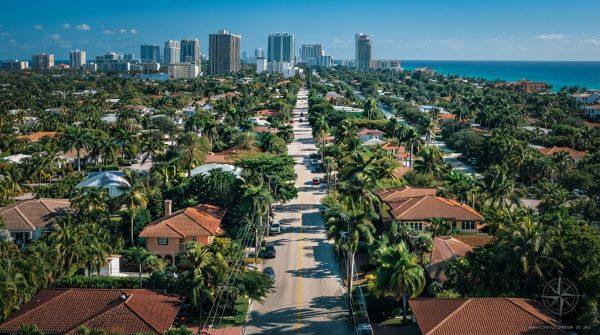
The situation in Los Angeles is part of a broader pattern of El Niño-driven flooding that has also hit Florida, showing that the phenomenon is not confined to one coast. And as the holiday season unfolds, the ocean will remain under close watch—not just for surfers, but for everyone who calls the California coast home.
For now, the advice is simple: don't wait for the water to rise. Prepare, stay alert, and keep an eye on the tide charts. This is one holiday season where the ocean is the guest that might not leave.