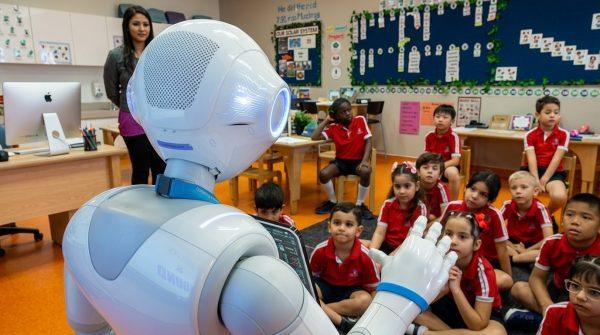
A school district in upstate New York has put the brakes on a pilot program featuring an AI-powered robot teacher, following intense backlash from parents, teachers, and community members. The Salamanca City Central School District, located about an hour south of Buffalo, had introduced a static humanoid robot named Sally—purchased for roughly $57,600 from the company Realbotix—as a teaching aid in robotics classes. But the initiative quickly unraveled after locals discovered the manufacturer's history in adult entertainment products, sparking a firestorm of criticism over student data privacy and the appropriateness of the technology in classrooms.
The New York State United Teachers union was among the first to raise alarms, arguing that classrooms need genuine human connection, not automated algorithms. “Our students deserve real educators who can inspire and mentor them, not machines,” a union spokesperson said. The union also questioned the expenditure, especially as many schools in the region face budget constraints. For Latino families in the district, who often rely on schools as community hubs, the controversy has deepened concerns about how technology is being integrated into their children's education.
Community concerns and privacy safeguards
Local parents voiced strong apprehensions about student data privacy and the safety of experimental classroom technologies. “We weren't told about the company's background or how student data would be protected,” said one parent at a community meeting. The district has since paused the pilot indefinitely and promised to organize town hall meetings to gather community feedback before any permanent integration of automated instructional hardware. District leaders are also working to establish stricter data protection agreements and open transparent public forums, ensuring that student data protection prevails over commercial digital innovation.
The controversy comes at a time when schools across the country are grappling with the role of AI in education. In New York, the Salamanca case has become a cautionary tale. District administrators defend the robot as a practical tool for robotics classes, but the backlash has forced them to reevaluate. “We hear the community's concerns,” a district representative said. “Our priority is student welfare, and we will not rush into any technology that compromises that.”
For Latino families, who often face additional barriers in navigating school systems, the incident underscores the importance of community vigilance. Similar debates are playing out elsewhere, as seen in Texas schools facing decisions on Bible-based curriculum and Florida tightening open enrollment policies. These stories highlight how local school boards are increasingly becoming battlegrounds for broader cultural and technological questions.
What's next for AI in classrooms?
Technology analysts warn that institutional shifts and automated software integration will continue challenging traditional academic management frameworks. The preservation of public trust, they say, rests on proactive community collaboration. In Salamanca, the district is now coordinating emergency review sessions with state educational agencies to mitigate the impact of public distrust. Meanwhile, the manufacturer Realbotix faces intense scrutiny over its commercial background, which clashes with family-oriented school values.
For now, Sally the robot sits idle, a symbol of a well-intentioned but poorly executed experiment. The district has promised to keep the community informed as it develops new policies. As one local parent put it, “We want innovation, but not at the cost of our children's privacy or safety.” The debate over AI in education is far from over, but in Salamanca, the community has made it clear: technology must serve students, not the other way around.