When flu season hits, many of us don't just reach for the pharmacy—we call our abuela. Across Latin America and the diaspora, grandmothers have built a trusted arsenal of cold remedies from what's already in the kitchen. These aren't just folk tales; they're a living heritage, passed down with love and a pinch of humor.
Recently, a viral video from @latinationculture sparked a lively debate about the more unconventional flu treatments our families swear by. It's a reminder that these remedies are as much about comfort and connection as they are about getting better. From potato slices on the forehead to onion halves in socks, the ingenuity is endless.
The Classics That Keep Us Going
At the heart of abuela's cold care is a warm bowl of soup. Whether it's chicken or beef, loaded with vegetables, it's the ultimate comfort food. As the Harvard T.H. Chan School of Public Health notes, such broths provide vital nutrients and hydration, while the steam helps clear congestion. Add a squeeze of lime, and you've got a remedy that revives the spirit as much as the body.
Another beloved trick is placing thin slices of raw potato on the forehead. It's a cooling sensation that grandmothers believe draws out the fever. While modern science might call it a placebo, the relief is real for many. It's a simple, soothing ritual that reminds us of being cared for.
For chest congestion, a thick syrup made from dark molasses and orange peels is a go-to. It coats the throat and calms that relentless night cough. The sweet-tangy flavor is a childhood memory for many of us, a taste of winter evenings wrapped in a blanket.
And who can forget the green smoothie? Blending raw garlic, kale, ginger, turmeric, and cilantro, it's a potent mix meant to boost defenses. Abuelas often insisted on serving it right before bed, believing it encourages a healing sweat overnight. It's a bold approach, but one that's hard to argue with when you're feeling miserable.
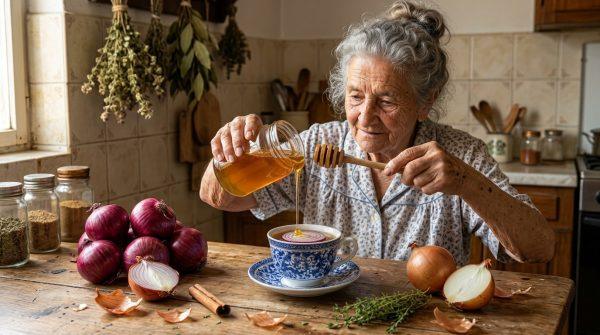
Then there's the overnight syrup of honey, lemon, and ginger. It's a concentrated elixir that soothes dry coughs and raw throats. The natural sweetness of honey, combined with the zing of citrus and spice, makes it a daily boost during peak sickness. It's a staple in many households, from México to Colombia.
One of the more curious remedies is placing halved onions inside your socks before sleeping. It's a folk ritual that's more about cultural memory than science, but the pungent aroma is a small price for the comfort it brings. It often sparks fond memories and lively conversations about our families' quirks.
Herbal teas are another cornerstone. Brewing turmeric, citrus, and mint creates a golden drink packed with antioxidants. The Mayo Clinic supports the use of such botanicals for clearing nasal passages. It's a gentle, natural way to ease symptoms and warm the soul.
For an antimicrobial boost, crushed garlic mixed with raw honey is a powerful combination. It's a natural antibiotic that many grandmothers swear by at the first sign of infection. It's a testament to the wisdom of using what's in your pantry to support your health.
Finally, there's the simple act of steam inhalation with eucalyptus or chamomile. It clears airways and promotes relaxation, reinforcing the CDC's advice that rest is essential for recovery. These remedies aren't just about treating symptoms; they're about creating a space for healing.
What Science Says
Evidence-based medicine is beginning to catch up with abuela's wisdom. Research from the National Center for Complementary and Integrative Health highlights the anti-inflammatory properties of many botanicals used in these remedies. While methods like forehead potatoes may work through placebo, the comfort they provide is genuine.
However, it's crucial to exercise caution. Healthcare professionals warn against giving honey to infants under one year due to the risk of botulism. And if a fever persists for more than three days or breathing becomes difficult, it's time to see a doctor. These remedies are best used as complementary care, not a replacement for medical treatment.
In the end, abuela's cold cures are more than just home remedies—they're a celebration of our culture and the enduring bond between generations. They remind us that sometimes the best medicine is a little bit of love, a lot of garlic, and the warmth of family. As we navigate modern life, these traditions keep us grounded, connected, and, hopefully, a little healthier.