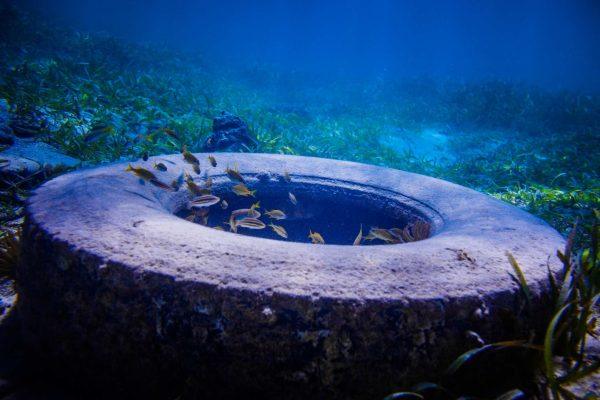
In the 1970s, Florida officials greenlit what they thought would be a win-win: dispose of millions of scrap tires while creating a new marine habitat. They sank roughly two million tires off the coast of Fort Lauderdale, aiming to build the world's largest artificial reef. At the time, it seemed like a clever solution to a growing waste problem and a way to boost local fishing and diving.
But the ocean had other plans. Saltwater quickly corroded the steel straps that held the tires together, and within a few years, the bindings gave way. Strong currents and tropical storms scattered the loose tires across the seabed, turning the project into an environmental nightmare.
An ecological disaster in the making
The tires didn't just sit there—they rolled. Pushed by waves and storms, they crashed into natural coral reefs that had taken decades to grow. The impact crushed and scraped away delicate coral formations, destroying the very ecosystems the project was meant to support. Instead of fostering marine life, the tire reef became a wrecking ball for Florida's underwater biodiversity.
Marine biologists and divers have been grappling with the consequences ever since. The cleanup is painstaking: each tire must be inspected individually, because many are buried in sediment or have become home to living organisms. Teams have carefully relocated over 700 coral colonies from the tires to protected reefs before hauling the rubber out of the water.
According to the Florida Department of Environmental Protection, workers have retrieved more than 535,000 tires between 2015 and early 2026. But that's only a fraction of what's still down there. The state recently approved a new $5 million contract to extend recovery operations through 2032, a sign that this headache will linger for years to come.
This isn't the only environmental challenge Florida faces. The state has been dealing with rising sea levels turning streets into canals and record king tides testing flood defenses. And while divers have made strides in removing invasive lionfish from Atlantic reefs, the tire reef remains a stubborn reminder of well-intentioned but poorly planned interventions.
For the Latino communities along Florida's coast, many of whom rely on fishing and tourism, the reef's failure hits close to home. The damage to coral habitats affects fish populations and the livelihoods that depend on them. It's a cautionary tale about the importance of understanding local ecosystems before launching large-scale projects.
As cleanup continues, the lesson from Fort Lauderdale is clear: nature doesn't always cooperate with human shortcuts. The tire reef, once hailed as a marvel of engineering, now serves as a monument to unintended consequences.