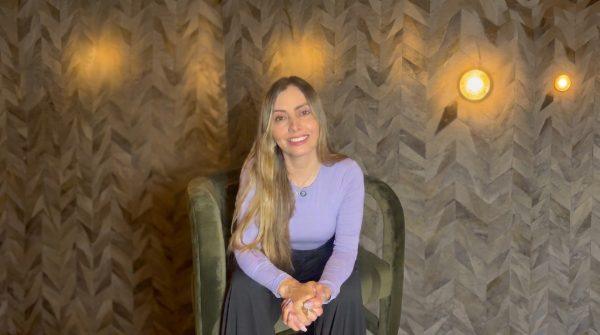
When Tatyana Arévalo, a Colombian industrial engineer and digital content creator, was detained by U.S. Immigration and Customs Enforcement (ICE) in December 2023, she faced nearly two months of isolation in a California detention facility. But instead of succumbing to despair, she transformed her experience into a lifeline for other migrants: a book donation program called Letras que abrazan (Letters that Embrace).
Arévalo, known on Instagram as @tatyarevalo, had built a following of over 321,000 people by sharing insights on Latino entrepreneurship and the migrant experience. Her journey to the U.S. was anything but linear: after working seven years in construction in Colombia, she moved to New Zealand in 2018 to learn English, then spent time in Spain and Malta before arriving in Hawaii in 2023. There, she spent a month preparing her asylum petition, noticing how difficult it was for migrants to find Spanish-speaking lawyers in a region with few Latino attorneys. She eventually settled in the Bay Area, where she used her platform to interview workers on K1, O, H, F, J, and K visas, highlighting the diverse realities of immigration.
Her own detention began with a technical glitch. After switching phones, she stopped receiving automated check-in alerts from the BI SmartLink monitoring app and missed a weekly photo upload. At her next routine check, federal agents fitted her with an ankle monitor. Arévalo, who drives frequently, warned her followers about the discomfort: “Yo me puse la tobillera en el pie derecho y me dolía mucho, porque yo manejaba el carro y usaba ese pie para frenar. Debido a esto, le comuniqué a mis seguidores que, si se lo van a poner, pónganselo en el pie izquierdo porque el pie derecho es más dominante.”
Despite complying with all requirements, Arévalo was arrested during a routine immigration appointment in December 2023. Outside the facility, activists were protesting ongoing arrests, but she believed she was safe. “Ese día había una protesta afuera del lugar y los manifestantes advertían a las personas que no entraran porque los agentes estaban realizando arrestos. En ese momento, pensé: ‘No creo que me pase, he cumplido con todo’. Pero entré y ahí mismo me amarraron el estómago, las manos, los pies.”
Inside the detention center, she endured freezing temperatures, poor food, and the emotional weight of confinement. She shared a two-meter cell with other women for over 12 hours a day through Christmas and New Year. But what struck her most was the complete absence of Spanish-language books on the facility’s reading cart. “Al ver que no había escritos en español, me puse muy triste porque dije: ‘Quería leer algo y pasar mi día entretenido’. Aunque sé hablar inglés, cuando uno está en esa situación tan vulnerable y con el ánimo tan bajo, lo que menos se quiere es esforzar la mente para pensar en un idioma que no es el suyo.”
From detention to a movement
Arévalo began petitioning guards, administrators, and even visiting senators to allow Spanish reading materials inside the facility. Federal regulations prohibit direct private donations, so she coordinated with a close friend and authorized partner organizations to establish an official donation bridge. The first delivery included Spanish Bibles, softcover books, coloring sheets, and plastic rosaries, along with anonymous encouragement notes written by her friends. The response was overwhelming: facility officials sent an email requesting more shipments, saying detainees cherished the letters.
Arévalo recommends novels that offer an escape from harsh reality. “Las novelas te dirigen a una historia y a soñar. Lo mejor para donar son lecturas como El alquimista de Paulo Coelho o uno de Gabriel García Márquez. Ese tipo de libros no están en este tipo de centros.”
Her initiative, Letras que abrazan, has since grown into a community-driven effort, with donations of books and letters providing mental distraction and emotional support for vulnerable migrants in ICE custody across California. For Arévalo, the project is a way to turn her own hardship into hope for others navigating the same system. As she told her followers, the power of a book in your native language can be a lifeline when everything else feels uncertain.
Her story resonates with many in the Latino community who face similar challenges. For those interested in supporting migrant communities, the case of a Honduran woman in Florida highlights the high stakes of immigration enforcement. And for a cultural connection, Carín León's recent album celebrates the fusion of Mexican and Colombian sounds, a reminder of the rich cultural ties that bind our communities.