For decades, the story of Latino migration in the United States has been tied to major metropolitan areas—Los Angeles, Chicago, Miami, New York. But a quieter shift is underway. Across the country, small towns are becoming new hubs for Latino families seeking a different kind of American dream: one defined by affordable homes, steady work, and a slower pace of life.
Recent data from the Pew Research Center highlights significant demographic growth in smaller municipalities, driven by robust job markets, lower costs of living, and safe environments. These towns are not just welcoming newcomers; they are actively reshaping the cultural and economic landscape of their regions.
Why Small Towns Are Winning Over Latino Families
The appeal is multifaceted. For many, it's the chance to own a home without the crushing debt that comes with big-city real estate. For others, it's the presence of established family networks and shared language that ease the transition. And crucially, these towns offer employment across diverse sectors—from manufacturing and agriculture to logistics and energy—providing the stability that families crave.
Take Greer, South Carolina, for example. With a population now surpassing 50,000, Greer has become a magnet for workers in the booming automotive and manufacturing industries. The city offers well-paying jobs without the financial strain of nearby Charlotte or Atlanta. Similarly, Nampa, Idaho, attracts young households with its affordable housing and opportunities in construction, agriculture, and services. These towns are proving that the American Dream isn't confined to the coasts.
In Dalton, Georgia, known as the carpet capital of the world, a deeply rooted Latino community has existed for decades. Continuous employment in industrial manufacturing has made Dalton a long-term destination for families seeking stability. The support network here is strong—established families help newcomers navigate everything from housing to schooling, making the transition smoother.
Out west, Pasco, Washington, in the Tri-Cities region, is emerging as an economic engine. With jobs in agriculture, logistics, and energy, plus strong bilingual education programs, Pasco is attracting professionals who want to grow without leaving their culture behind. Yakima, also in Washington, remains a primary agricultural center, offering sustained labor demand in food processing and farming.
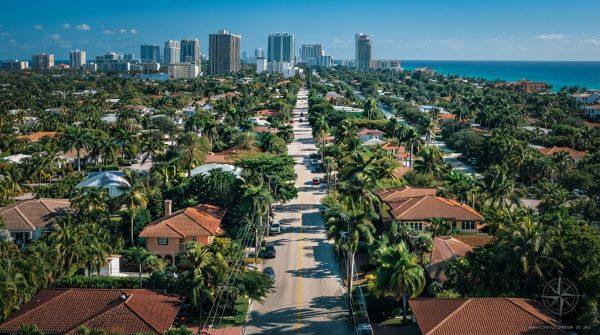
In Florida, Kissimmee stands out for its accessible cost of living compared to nearby Orlando and Miami. A large Puerto Rican and broader Hispanic population has created a familiar cultural environment, while the thriving tourism industry provides diverse employment options. Meanwhile, Pflugerville, Texas, located within the Austin metropolitan area, draws young families with its top-rated schools and safe neighborhoods, all while maintaining a suburban feel.
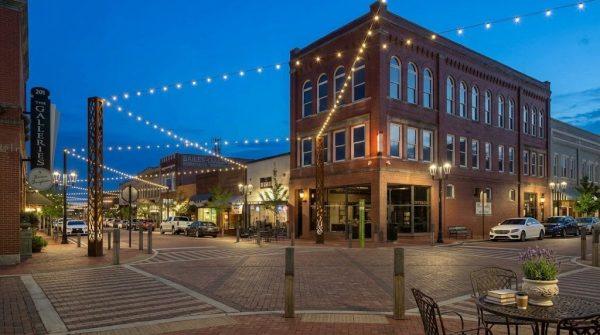
These towns are not just places to work; they are places to build a life. Local businesses—restaurants, bakeries, tiendas—flourish as the community grows. Cultural events, from Día de los Muertos celebrations to quinceañeras, are becoming part of the local fabric. As one resident in Yakima put it, "Here, we can keep our traditions alive while also feeling like we belong."
However, the growth is not without challenges. As these towns expand, they must address issues like housing affordability and infrastructure. Yet, local authorities are actively promoting integration programs that strengthen civic unity. The result is a model of community that many larger cities have lost.
For Latino families weighing their options, these small towns offer a compelling alternative. They provide the economic opportunities of the city with the warmth and safety of a close-knit community. As the trend continues, these towns are not just winning over Latino families—they are being transformed by them, creating a richer, more diverse America.