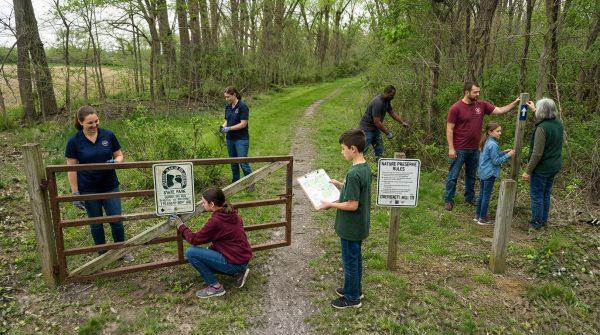
When you think of New York's state parks, you might picture the Adirondacks or Niagara Falls, but behind the scenes, a network of dedicated volunteers is doing heavy lifting to keep these spaces open, accessible, and thriving. In 2025, these community-driven 'Friends Groups' generated nearly $31 million in economic value, according to a new impact report. That's not just about money—it's about thousands of hours of trail maintenance, habitat restoration, and educational programming that make nature feel welcoming for everyone.
The report, released by Parks & Trails New York, highlights how grassroots involvement is reshaping public land management. Local nonprofits raised about $27 million independently through donations and program fees, which directly supported 28 physical improvement projects across the state. Meanwhile, volunteers contributed over 20,000 hours of service, from weekly maintenance to specialized events, helping preserve fragile ecosystems and historical landmarks without draining public budgets.
Where the money goes
The financial impact is substantial. Of the total value, $15 million went toward infrastructure and those 28 improvement projects. Another $8.5 million funded public programs, and $6.69 million came as direct cash contributions for conservation operations. Volunteers also donated $466,000 in labor value and $232,000 in equipment, reinforcing park management across diverse regional sites. This isn't just about keeping trails clean—it's about ensuring that parks remain a resource for all New Yorkers, including the growing Latino communities in places like the Hudson Valley and Buffalo.
For many Latino families, state parks are a gateway to outdoor recreation that might otherwise be out of reach. Programs like the ones at Moreau Lake and Clark Reservation are making a difference. Moreau Lake's NatureFest welcomed 53 participants, while Clark Reservation teams completed five field work sessions. Across the state, volunteers organized more than 3,000 public events that attracted roughly 273,000 visitors, with most activities free or costing less than $10 per person. Educational workshops made up 85.5% of community programming, engaging over 120,000 participants.
Inclusive and collaborative efforts
What's particularly inspiring is the focus on inclusivity. Specialized outdoor programs now provide adapted recreational equipment for individuals with disabilities, allowing families to experience forest trails that were previously inaccessible. Citizen science teams are removing invasive species and monitoring forest health, ensuring long-term ecological stability. And partnerships with educational institutions are hosting nature festivals that promote sustainable practices and community awareness.
These efforts are part of a broader movement to make public lands more equitable. As new SNAP work rules put millions of Latino families at risk, access to affordable outdoor spaces becomes even more critical. Parks offer a low-cost way for families to connect with nature, exercise, and build community—something that volunteer groups are helping to sustain.
The state acknowledges that community partnerships are essential. 'Grassroots collaboration secures the continuous revenue growth, widespread accessibility, and enduring legacy of New York's state parks,' said a spokesperson for the Office of Parks, Recreation and Historic Preservation. For those looking to get involved, the volunteer portal offers opportunities to join local Friends Groups or participate in events.
As we look ahead, the role of volunteers will only grow. With budgets tight and climate challenges mounting, the dedication of these community networks is more valuable than ever. Whether it's a retiree leading a nature walk or a college student monitoring bird populations, every hour counts. And for Latino families who often face barriers to outdoor access, these efforts are helping to ensure that New York's natural treasures are truly for everyone.
To learn more about how you can support these initiatives, check out the community preservation efforts highlighted by Parks & Trails New York. The impact is real, and it's growing.