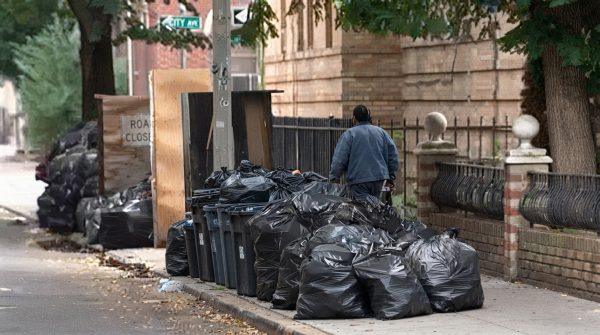
In a city where every corner tells a story, one Staten Island resident turned her sharp eye into a tidy sum. By reporting an illegal dumping incident, she pocketed $4,000 through New York City's long-running tip program—a reminder that civic duty can come with a financial bonus.
How the city's dumping tip program works
New York City's Illegal Dumping Tip Program, established under Section 16-119 of the administrative code, has been turning everyday New Yorkers into environmental watchdogs since the late 1990s. The initiative, run by the Department of Sanitation (DSNY), encourages residents to report unauthorized dumping by offering cash rewards for actionable tips.
When a tip leads to a fine, the whistleblower receives half of the penalty amount. This structure not only deters would-be dumpers but also fosters a sense of shared responsibility for keeping streets clean. For many, it's a straightforward way to protect their neighborhoods while earning a little extra.
A Staten Island success story
Last July, a Staten Island woman captured video of a driver tossing five bags of waste near a public bus stop. The footage clearly showed the vehicle's license plate, making it easy for sanitation inspectors to identify the offender. The city slapped the violator with an $8,000 fine, and the tipster received half—$4,000—as her reward.
For the woman, the check was more than just a windfall. She told local media she used the money to settle outstanding bills and treat herself to some personal services. Her story has since spread across social media, inspiring others to keep an eye out for illegal dumping in their own communities.
Why this matters for Latino communities
Illegal dumping isn't just a nuisance—it's a public health issue that disproportionately affects working-class neighborhoods, including many Latino enclaves across the five boroughs. From Bushwick to the Bronx, residents often bear the brunt of neglected streets and overflowing trash. Programs like this empower communities to fight back, turning frustration into action.
For bicultural Latinos who straddle two worlds, this story resonates with a broader tradition of civic engagement. Whether it's organizing a block cleanup or reporting a violation, small acts of vigilance can lead to big changes. As one community advocate put it, "Cuidar lo nuestro es también una forma de resistencia."
The bigger picture: urban cleanliness and civic pride
New York's approach isn't unique, but it's effective. By involving residents directly, the city creates a network of eyes and ears that complement official enforcement. The program also highlights the importance of proper waste disposal, reminding contractors and homeowners that there are affordable, legal ways to get rid of trash.
While some might joke about "snitches getting riches," the reality is that this program has real teeth. It's a deterrent that works, and it's a model that other cities could learn from. For now, Staten Island's newest environmental hero is enjoying her reward—and proving that vigilancia paga.
If you spot illegal dumping in your neighborhood, consider documenting it and reporting it to the DSNY. You might just earn a reward—and help keep your community clean. For more on how New Yorkers are tackling urban challenges, check out our story on coastal flood alerts or the mental health debate sparked by a recent tragedy.