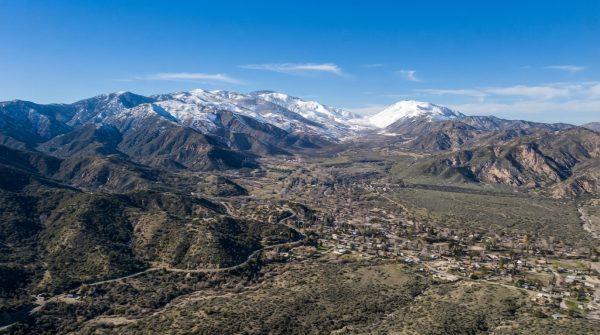
In April 2025, residents of Wrightwood, a small town in San Bernardino County, California, learned that a mining project was planned just 4.2 miles from their homes. The project, which would extract high-purity calcium carbonate across 170 hectares (420 acres) in Lone Pine Canyon, involves open-pit quarries that could reach depths of up to 1,600 feet. But what shocked the community most was that the permits had been quietly secured back in 2019, with almost no public awareness.
The land has a long industrial history, dating back to the 1920s when Cajon Lime operated a small facility there. In 1931, Michael P. Hannin bought the property, and his descendants later sought to assert mining rights in 2018. However, the site had been inactive for decades, long before California's surface mining regulations under Governor Gavin Newsom required strict environmental compliance. A county geologist recommended rejecting the application due to the prolonged inactivity, but the Planning Commission overruled that advice and granted the permits anyway.
Hidden permits and international ownership
The San Bernardino County Planning Commission approved the key authorization, known as "vested rights," during two hearings that drew almost no public attention. The first hearing had only one member of the public in attendance, and the final vote was 3-2 in favor. In 2023, ownership of the project shifted to Grand Lone Pine Canyon Enterprises LLC, which includes Treiss International Corp., a Taiwanese company that describes itself as China's largest cold rolling industry supplier. Operations are managed by Carlsbad-based California Carbonates Inc., and the project could run until at least 2175.
When residents finally learned about the plan, they quickly organized. The Lone Pine Canyon Protection Alliance was formed, raising funds and collecting over 7,600 signatures demanding comprehensive environmental studies. Local officials, including U.S. Representative Judy Chu and state senator Suzette Martinez Valladares, have sent letters urging greater scrutiny. The California Department of Fish and Wildlife submitted a 25-page report warning that mining would severely damage a critical wildlife corridor connecting the San Gabriel and San Bernardino mountain ranges, vital for species like the bumblebee, desert bighorn sheep, and golden eagle.
Citizen alerts and legal battle
The community's discovery came through a casual Facebook post by a resident about an abbreviated reclamation plan. That post reached Jim Emery, president of the Wrightwood Fire Safe Council, who called an informational meeting on April 21, 2025. The hall was packed, and Jennifer Unibe described the situation as a betrayal. The alliance filed a legal petition in July 2025 to revoke the authorization, arguing that the county failed to properly notify residents—only three property owners within a quarter-mile radius and a notice in the San Bernardino Sun were informed.
Residents also fear for their safety. The project would bring heavy truck traffic along Lone Pine Canyon Road, which is the town's only evacuation route. Melissa Manning, who survived the 2024 Bridge Fire evacuation, recalls being trapped in traffic and worries that mining operations could make such emergencies even more dangerous. The initial court hearing is scheduled for January 19, 2026. County attorneys argue that plaintiffs should have appealed within 90 days, but attorney Henry Josefberg counters that it's impossible to appeal a decision you didn't know about.
This fight is not just about one town. It reflects a broader pattern where industrial projects can slip through the cracks, especially in rural areas with limited resources. For Latino communities across California, who often live near such developments, the stakes are high—environmental health, safety, and the right to a say in what happens in their neighborhoods. As Latino voters in California consistently rank cost of living and community well-being as top concerns, this case resonates beyond Wrightwood.
The alliance continues to gather support, and the community remains vigilant. As Lyndsey Falb, a Wrightwood resident for over 30 years, put it, "We're not going to let a foreign corporation destroy our home without a fight." The outcome of this legal battle could set a precedent for how such permits are handled in the future, not just in California but across the country.