New York City is about to test a bold experiment in food policy. Mayor Zohran Mamdani's administration has committed $70 million from the municipal budget to open five publicly funded grocery stores across the five boroughs. The goal: sell fresh meat, seafood, and produce at prices up to 30% lower than typical retail. For families in Queens, Brooklyn, and the Bronx who have watched their grocery bills climb year after year, the promise of cheaper staples is a welcome one. But for the city's thousands of independent bodega owners—many of them Latino immigrants—this plan feels like a direct threat to their livelihoods.
A City Divided Over Public Markets
The proposal has ignited a fierce debate. Supporters, including community groups and food justice advocates, argue that public grocery stores are a necessary intervention in a city where one in ten residents faces food insecurity. They point to neighborhoods like Hunts Point in the Bronx and East Harlem, where fresh, affordable produce can be hard to find. The first two locations—La Marqueta in East Harlem and La Peninsula in Hunts Point—are symbolic choices, rooted in communities with deep Latino and Afro-Caribbean histories.
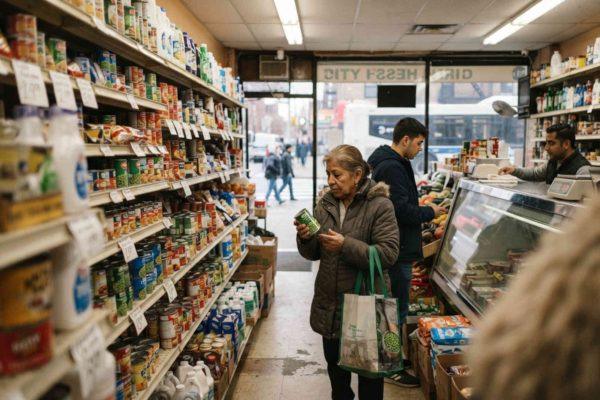
But independent merchants see a different future. "We've been feeding our neighborhoods for decades," says Carmen Delgado, who runs a bodega in Bushwick, Brooklyn. "Now the city wants to compete with us using our own tax dollars. How is that fair?" Her sentiment echoes across the city, where small business owners worry they cannot match the buying power and subsidies of a municipal operation. The tension is real: these stores are often the backbone of local economies, employing residents and offering credit to regulars when times are tough.
This isn't the first time a U.S. city has tried public grocery retail. Similar experiments in other metros have stumbled, facing operational challenges, unexpected closures, and difficulty sustaining long-term. Experts caution that managing fresh food supply chains is notoriously complex, and public entities often lack the agility of private grocers. Yet Mamdani's team insists that with strict labor standards and private operators under city contract, these stores can avoid the pitfalls of past failures.
Why Now? The Inflation Squeeze
The urgency is rooted in hard numbers. Between 2015 and 2024, the consumer price index for food in the New York metropolitan area jumped by 33%. That's a staggering increase that has strained household budgets, especially for low- and middle-income families. A recent report highlighted that grocery prices keep rising, forcing many Latino families to make impossible choices between rent, utilities, and nutritious food. The city's plan aims to ease that burden, with officials estimating that a family could save up to $1,000 a year on groceries—a significant sum for many.
But the savings come with a cost. The $70 million investment is a major line item in a city budget already stretched thin. Critics question whether the money could be better spent on direct subsidies to existing small grocers, or on improving food access through mobile markets and community fridges. "Why build new infrastructure when we could strengthen what's already here?" asks José Martínez, a food policy researcher at Hunter College. "Bodegas are already in every neighborhood. They just need support to stock healthier options at lower prices."
For Latino communities, the stakes are personal. Bodegas are more than stores; they're cultural anchors, places where you can find queso fresco, plantains, and the latest bachata playing from a tinny speaker. They're also a path to the American dream for many immigrant families. The fear is that public grocery stores, however well-intentioned, could undercut these businesses and erode the social fabric they sustain.
Mamdani's administration counters that the stores will be managed by private operators and will follow strict labor standards, including fair wages and benefits. They also emphasize that the locations were chosen in food deserts, where residents currently have limited options. "This is about equity," says a spokesperson for the mayor's office. "Every New Yorker deserves access to affordable, fresh food, regardless of their zip code."
As the city moves forward, the debate is far from settled. Community meetings have been packed, with bodega owners, residents, and activists voicing strong opinions. Some suggest a compromise: use the $70 million to help existing stores lower prices through cooperative buying or tax breaks. Others argue that the public stores should be seen as a complement, not a competitor, to private businesses.
For now, the first five stores are slated to open within the next two years. The success or failure of this experiment will be watched closely by other cities grappling with food inflation. In the meantime, New Yorkers—especially those in Latino neighborhoods—are left to wonder whether this bold plan will truly put food on their tables without taking away the businesses that have long fed their communities.
As the city navigates this complex issue, it's worth remembering that Latino grocery stores are reshaping retail landscapes across the country, and their resilience is a testament to their importance. The outcome in New York could set a precedent for how cities support both food access and small business. For now, the debate continues, and the stakes couldn't be higher.