Across Florida, a quiet revolution is taking place in the aisles of your neighborhood grocery store. Latino supermarkets are not just surviving—they are thriving, moving into spaces once dominated by major chains like Winn-Dixie and transforming them into vibrant community hubs. This isn't just about shopping; it's about recreating the markets of México, Colombia, and the Dominican Republic right here in the Sunshine State.
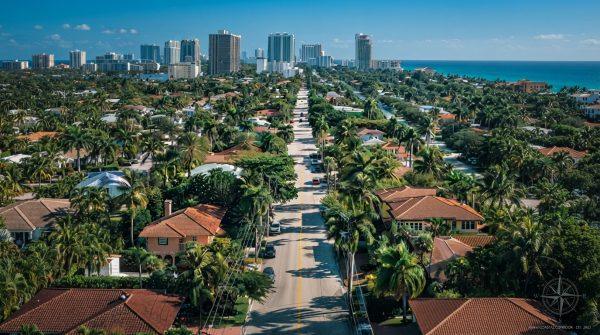
The numbers tell a compelling story. In Palm Beach County alone, the Latino population grew by 24.4% in recent years, fueling demand for stores that understand the nuances of a cocina latina. These supermarkets now serve as economic engines, with Latino residents in Florida wielding an aggregate purchasing power of $396 billion between 2018 and 2023. That kind of influence doesn't go unnoticed.
More Than a Supermarket: A Cultural Anchor
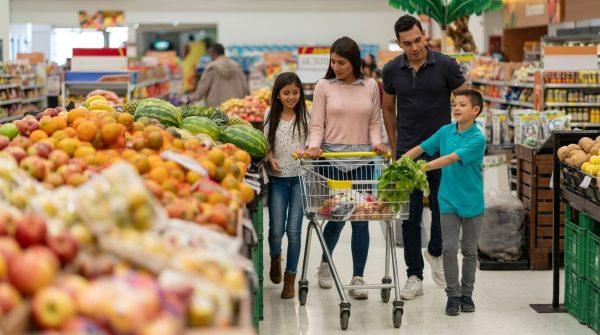
What sets these stores apart is their ability to offer more than just groceries. Walk into a Sedano's, Bravo, or Presidente, and you'll find a butcher who knows exactly how to cut carne para asado, a bakery turning out fresh pan de bono, and a café serving café con leche alongside arepas and tamales. It's a sensory experience that big-box retailers struggle to replicate.
These establishments function as social hubs where residents can find products from over 20 Latin American countries—from Peruvian aji amarillo to Salvadoran loroco. They also offer value-added services like money transfers and package shipping, simplifying daily chores for families who often support relatives back home. This integration of commerce and community is a key reason for their success.
Professor Suzanne Hollander, a real estate expert at Florida International University, notes that this model transcends simple retail. “These stores become nodes of community cohesion,” she says. “They meet cultural needs and help preserve traditions through daily consumption of essential products.” It's a sanctuary for those who want to keep their heritage alive, one tortilla at a time.
Strategic Growth and Challenges
The expansion strategy is deliberate. By taking over former commercial spaces—often in strip malls that lost anchor tenants—these chains leverage existing infrastructure to reduce costs and maximize reach. This approach has allowed them to fill gaps in neighborhoods that previously lacked specialized options.
However, the road isn't without obstacles. Competition for prime commercial real estate in Florida is fierce, and finding large, profitable storefronts requires careful planning. Yet chains are investing in their own land and eyeing new sectors, undeterred by the challenges. Population growth projections for Palm Beach County through 2050 suggest long-term sustainability, and these grocers are already planning future expansions.
This boom also reflects broader economic trends. As the credit card grocery trap highlights, many Latino families face financial pressures from rising costs. Latino supermarkets often offer competitive prices on staples like frijoles, rice, and fresh produce, helping households stretch their budgets while still eating well.
Meanwhile, policy debates like tariff refunds for working families could further impact household spending. For now, these stores are thriving by meeting a demand that conventional retailers have overlooked: the desire for authentic flavors, personalized service, and a sense of belonging.
In a state where luxury mansions grab headlines, it's the humble grocery store that's quietly reshaping communities. From Miami to Orlando, Latino supermarkets are proving that the future of retail is local, cultural, and deeply personal.