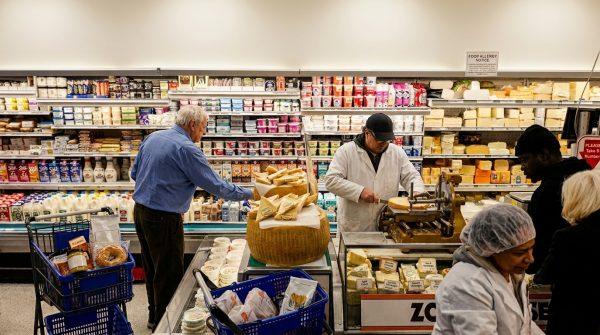
For many Latino families in New York, the weekly trip to the grocery store has become a source of financial anxiety. But a new initiative from Mayor Zohran Mamdani and the New York City Economic Development Corporation aims to change that. Announced in July 2026, the plan introduces municipal grocery stores that will offer permanent 30% discounts on a wide range of essential items—from fresh produce and meats to dairy and other staples.
The first store is set to open in the Hunts Point neighborhood of the Bronx by late 2027, with four more locations planned across the remaining boroughs before the end of the mayor's first term. The city has allocated $70 million from its capital budget to ensure stable, month-to-month pricing, regardless of a shopper's income.
How the savings add up
According to city estimates, a typical family could save close to $90 each month, or roughly $1,000 annually. That's real money for households in neighborhoods like Hunts Point, where many families already stretch every dollar. The discount applies to 22 categories of basic items, including fruits, vegetables, meats, fish, dairy, and selected refrigerated goods.
This isn't a temporary coupon or a limited-time promotion. The 30% markdown is built into the store's pricing model, designed to be permanent. The city will partner with private operators selected through a competitive bidding process, but strict municipal regulations will govern pricing, supply, and working conditions.
For Latino families who often prioritize fresh ingredients for traditional dishes—like sofrito, tortillas, or ceviche—access to affordable produce and proteins can make a meaningful difference in both diet and budget. The program also aims to strengthen local food security, a concern that has grown as grocery prices keep rising across the country.
A model for urban food access
City officials describe the municipal grocery stores as more than just a discount retailer. They see it as a strategic intervention in the local food system. By working directly with local suppliers and maintaining transparent, periodically updated prices, the stores aim to stabilize the market and reduce the volatility that often hits low-income neighborhoods hardest.
Economic analysts have noted that this model could transform how urban residents access food, especially in communities that have long been underserved by traditional supermarkets. The Hunts Point neighborhood, for example, is a major food distribution hub but has limited retail options for its own residents.
The program also includes a focus on fair labor practices. Operators must guarantee decent wages and working conditions, which could set a new standard for the grocery industry. For many Latino workers in the food sector, this is a welcome development.
While the first store is still more than a year away, the city is already laying the groundwork. Officials are evaluating logistics, supplier partnerships, and store designs to ensure the model can be replicated across the five boroughs. If successful, these municipal grocery stores could become a blueprint for other cities grappling with the rising cost of living.
For now, New York families—especially those in the Bronx, where the pilot will launch—have reason to watch this space closely. The promise of $1,000 in annual savings is significant, but the broader goal of equitable food access may prove even more transformative.