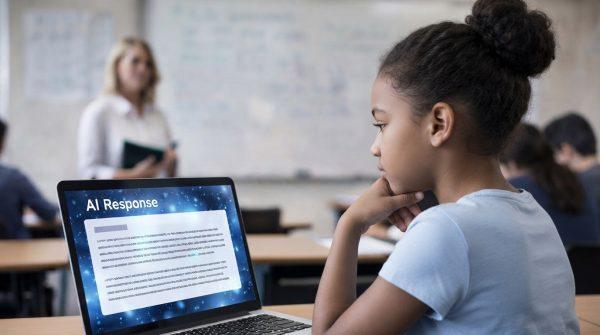
New York City's public schools—the largest system in the U.S.—are pressing pause on classroom artificial intelligence for younger students. Starting this academic year, roughly 600,000 kids from pre-K through eighth grade will see a one-year moratorium on AI tools, a move that follows months of heated debate and parent-led petitions over digital distraction and the erosion of foundational learning.
The new policy, detailed by district administrators in presentations obtained by Gothamist, marks a significant shift in how the city approaches technology in education. For the youngest learners, the change is stark: pre-K through second grade will no longer use individual laptops during instructional time. Third through eighth graders face strict time limits on personal devices. Assistive technologies for students with disabilities remain fully exempt.
What's allowed, what's not
Teachers can still use AI for lesson planning and translation, but the rules are clear about what's off-limits: no algorithmic grading, no AI in crisis management, and no automated decisions about student promotions. The district is also halting new software purchases and has suspended all acquisitions ahead of the summer recess.
High school students, however, keep limited access to AI, specifically for courses in artificial intelligence literacy and workforce preparation. Computer use is permitted for formal assessments, digital textbooks, programming exercises, and robotics classes—but recreational browsing during class is absolutely prohibited.
This isn't just about software. The district is enforcing hardware restrictions alongside the AI pause, and administrators are rolling out training workshops to help teachers manage screen-free classrooms without sacrificing academic rigor. Compliance reviews will be conducted regularly to ensure the rules are applied consistently across all participating districts.
Parent organizations and advocacy groups, which had submitted extensive petitions demanding moratoriums on automated tutoring systems, are celebrating this as a victory. They argue that AI disrupts traditional learning dynamics and that young students need time to develop critical thinking and social skills without algorithmic interference.
Educational technology analysts are watching closely to see how secondary institutions adapt their curricula to meet modern workforce demands while staying within the new boundaries. The policy also raises questions about whether other states will follow New York's lead in curbing excessive screen time—a concern that resonates far beyond the five boroughs, especially in Latino communities where school reopenings have already sparked debates about health and safety.
For Latino families, many of whom rely on schools as a bridge to opportunity, this pause is a double-edged sword. On one hand, it protects young children from the potential harms of AI-driven instruction. On the other, it raises concerns about digital equity—especially in communities where access to technology at home is limited. The district says it's committed to monitoring student engagement and academic outcomes, working with researchers to ensure every policy change reinforces core objectives.
The move also puts pressure on tech developers, backed by data from the National Center for Education Statistics, to design educational tools that align with public safety standards. The goal, officials say, is to foster secure digital interactions within modern academic institutions—not to ban innovation outright.
As the school year unfolds, all eyes will be on student engagement metrics and academic performance. Will this pause lead to better outcomes? Or will it leave New York's students behind in a rapidly evolving digital world? For now, the city is betting that a year of reflection and recalibration is worth the risk.
This story is part of a broader conversation about technology and childhood. For more on how digital trends are shaping other areas of life, check out our piece on generational wealth gaps and the efforts to build schools in Colombia.