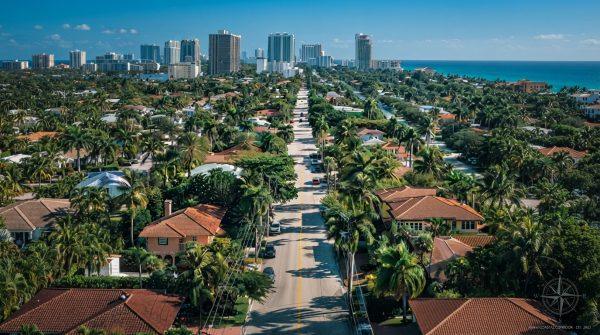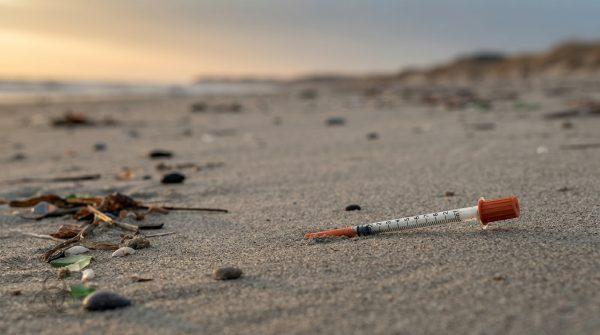
Over the weekend, the usual summer calm along the Jersey Shore was broken when beachgoers in Manasquan spotted something unsettling: more than 60 syringes scattered across the sand, mixed with household waste. The discovery forced local officials to close the ocean to swimmers while crews worked to clear the debris and investigate how it got there.
Manasquan, a popular seaside town in Monmouth County, saw its beach temporarily shut down as a precaution. The municipal government activated its emergency response protocols, and workers from the borough, along with state agencies, began removing the medical waste and plastic remnants. The New Jersey Department of Environmental Protection (NJDEP) was brought in to help determine the origin of the material.
What likely caused the medical waste to appear?
According to NJDEP spokespeople, the most probable culprit is the region's combined sewer system, which can overflow during heavy rains. Recent storms had dumped significant rainfall, and the resulting stormwater currents may have carried debris from urban areas into the ocean, eventually pushing it back onto the shore. Officials were quick to dismiss the idea of illegal dumping, pointing instead to the vulnerability of aging infrastructure during severe weather.
This isn't the first time such an incident has occurred along the Jersey coast. Similar events have happened after major storms, and experts note that wave action can disperse medical waste quickly, making it hard to track. Still, the presence of syringes is a serious public health concern, and authorities are monitoring the coastline for any further accumulation.
Environmental specialists are using this as a reminder of the need to upgrade stormwater drainage systems. They argue that without such improvements, coastal communities will continue to face these contamination episodes, which threaten both public safety and marine ecosystems. For now, the NJDEP is providing regular updates on beach conditions, and Monmouth County officials are keeping residents informed through their official channels.
Safety measures and the road to reopening
In the immediate aftermath, the Office of Emergency Management and public health officials imposed a temporary swimming ban to prevent injuries from sharp objects. Crews conducted comprehensive inspections of the affected stretch, and tidal monitoring was put in place to ensure water quality met safety standards. The coordination between lifeguards, county health departments, and municipal workers was key to managing the situation.
Health authorities also urged beachgoers to report any stray objects they might find, emphasizing that quick action can prevent accidents during the busy tourist season. The Manasquan Borough website has been updated with community notices and safety guidelines.
After two full high tide cycles, sanitation inspectors verified that water salinity and purity levels were back within regulatory limits, and the swimming ban was lifted on Sunday. However, not everyone was convinced. Some local residents expressed skepticism about the swift reopening, noting that small fragments like syringe plunges or caps could still be hiding in the sand.
Despite the concerns, municipal leaders reaffirmed their commitment to public safety. Lifeguards remain on high alert, and continuous environmental inspections are ongoing. The incident has sparked a broader conversation about the resilience of coastal infrastructure and the importance of protecting these shared spaces.
For those interested in similar stories, the mysterious shark deaths on a nearby beach and the whale carcass warning have also raised questions about the health of the Atlantic coastline. And while this event may not have a direct Latino angle, it serves as a reminder that environmental issues affect all communities, including the diverse populations that call the Jersey Shore home.