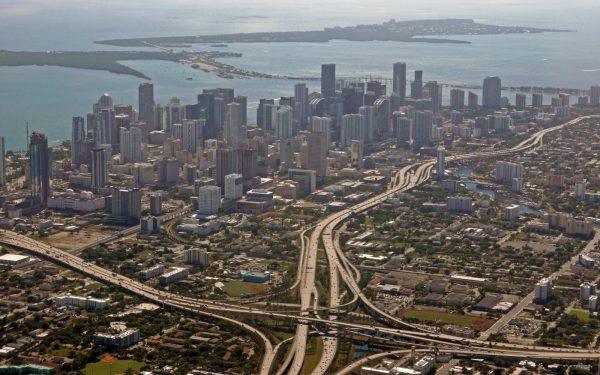
Miami’s rental market is showing signs of a shift, but the relief is far from evenly spread. According to the latest report from Zumper, the city has dropped to sixth place among the most expensive rental markets in the United States, down from fifth last year. That change is driven by a surge in multifamily housing construction, which has added new supply and pushed down average prices.
But averages can be misleading. While one-bedroom apartments saw a year-over-year drop of 4.1% and two-bedroom units fell 5.4% to an average of $3,300, the story is different in Miami’s most sought-after neighborhoods. In Miami Beach, rents have climbed 9% over the past year. Downtown Miami saw a 2% increase. These areas remain out of reach for many local workers, especially those in service and hospitality jobs.
Why the drop isn’t helping everyone
The new construction that’s driving down citywide averages is largely concentrated in the luxury and upper-middle-income segments. That means the added supply does little to address the needs of low-income families. According to Miami Homes for All, Miami-Dade County faces a shortage of 90,000 affordable housing units. Without more development aimed at lower-income renters, the overall dip in prices won’t translate into real financial breathing room for those who need it most.
This fragmented market means that while some renters may find slightly lower prices in certain areas, others are still facing steep increases. The disparity is especially stark between coastal communities and inland neighborhoods. For example, a worker earning the local median wage would need to spend more than a third of their income on rent in Miami Beach or Downtown, leaving little for savings or other expenses.
Miami’s affordability crisis is not new, but the current data underscores how uneven the recovery can be. The city remains one of the least affordable in the country, even after the recent price correction. As home prices stabilize across the U.S., Miami’s rental market is a reminder that supply alone isn’t enough—it has to be the right kind of supply.
For Latino families, who make up a significant portion of Miami’s workforce and renter population, the situation is particularly challenging. Many work in tourism, hospitality, and service industries that were hit hard during the pandemic and are still recovering. The lack of affordable options near job centers forces longer commutes and higher transportation costs, adding to the financial strain.
Some advocates are calling for policy changes, such as inclusionary zoning or rent stabilization, to ensure that new construction benefits a broader range of incomes. Others point to the need for more public investment in affordable housing. Without such measures, the gap between those who can afford Miami’s rising rents and those who cannot will only widen.
In the meantime, renters looking for deals should keep an eye on neighborhoods that are seeing new construction but aren’t yet in the highest-demand zones. Areas like Hialeah, Doral, and parts of Kendall may offer more affordable options, though they come with longer commutes. As the market continues to adjust, the key question remains: will the new supply eventually trickle down, or will Miami remain a city of two housing markets?