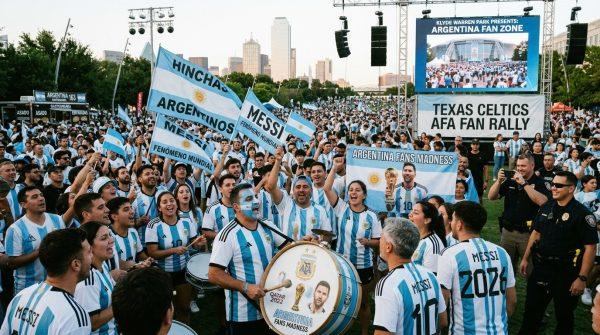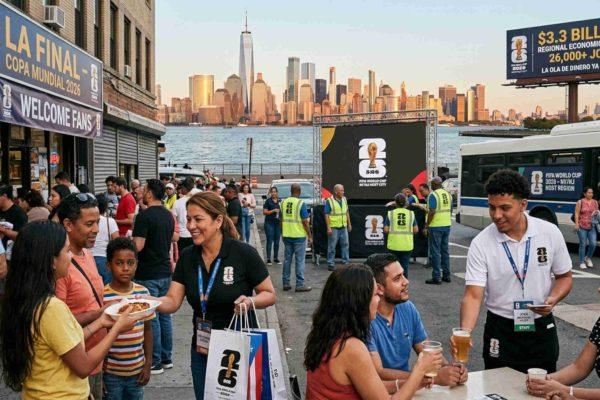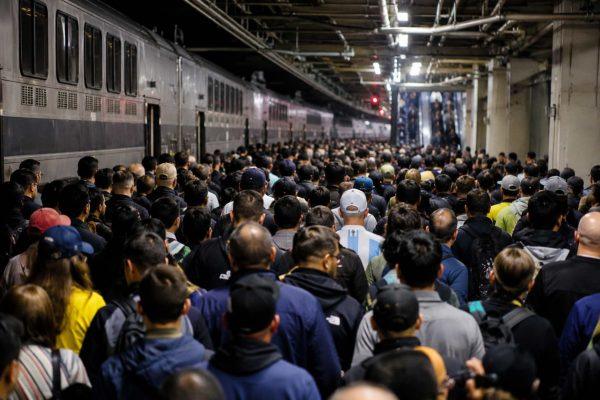
For thousands of World Cup fans who packed MetLife Stadium to watch Brazil face Morocco, the real battle began after the final whistle. A catastrophic transportation breakdown turned what should have been a celebration of fútbol into a nightmarish gridlock that kept spectators trapped in the stadium’s transit footprint well past midnight.
The New York-New Jersey host region, temporarily rebranded as the New York New Jersey Stadium under FIFA guidelines, saw its regional transit infrastructure buckle under the pressure of high-volume matchday traffic. Rideshare vehicles and private cars were stuck in a perimeter blockade, unable to exit the complex for hours. The only fans who escaped the chaos were those who had secured tickets for the dedicated tournament shuttle bus fleet—a contingency plan that, despite its success, highlighted the broader failures of the system.
Why the Trains Were Empty While Parking Lots Overflowed
The root cause of the meltdown traces back to a pricing decision by NJ Transit. New Jersey Governor Mikie Sherrill’s administration set a mandatory $98 round-trip fare for the specialized stadium train route—a price tag that effectively emptied the rail cars. Transportation planning insiders told The New York Post that this exorbitant tariff pushed fans away from public transit and into their own vehicles, where they then paid up to $225 for parking at the adjacent American Dream mall. The result? Half-empty trains running alongside highways clogged with cars.
This isn’t just a logistical failure—it’s a financial one that disproportionately affects Latino fans, many of whom traveled from across the Americas and the diaspora to attend the match. For a family from Buenos Aires or a group of friends from Los Angeles, the $98 fare per person could easily double the cost of a day out. As one fan posted on social media, “I came all the way from México to see Brazil, and I’m stuck here because the train costs more than my ticket.”
The backlash has been swift. Consumer advocacy networks and sporting bodies have labeled the governor’s policy as “petty,” arguing that state authorities prioritized bureaucratic battles—like forcing FIFA to change stadium signage to feature New Jersey ahead of New York—over making transit affordable. Meanwhile, international sports operators are demanding immediate fare restructurings to prevent similar chaos during upcoming bracket matches.
The Shuttle Fleet That Saved the Day
Amid the widespread failures, the NY-NJ Local Organizing Committee’s dedicated bus shuttle fleet emerged as the only viable evacuation pathway. Passengers who secured ticketing for these specialized routes cleared the stadium grounds within three hours of the match’s conclusion—a remarkable feat given that the fleet had already lost one of its primary interstate buses to arson during localized civil unrest tied to the New York Knicks’ NBA championship celebrations. The shuttles operated as a lifeline, proving that with proper planning, mass transit can work even under extreme conditions.
This incident echoes broader concerns about World Cup infrastructure across the United States. Earlier this year, fans blasted $20 quesadillas at AT&T Stadium, and MetLife’s train fares sparked outrage among Latino fans long before the tournament began. The pattern is clear: when host cities prioritize profit over accessibility, the fans—especially those from Latin America, where public transit is often more affordable and reliable—pay the price.
As the 2026 World Cup continues, the question remains whether New Jersey officials will learn from this debacle or double down on policies that treat fans as revenue sources rather than guests. For now, the only advice for anyone heading to MetLife is simple: find a shuttle, or prepare to walk.