World Cup fans in the Dallas-Fort Worth area are sounding off after encountering jaw-dropping prices for basic stadium food at AT&T Stadium in Arlington, Texas. The 2026 FIFA World Cup has brought thousands of international visitors to North American host cities, but for many, the experience has been soured by what they describe as predatory pricing on concessions.
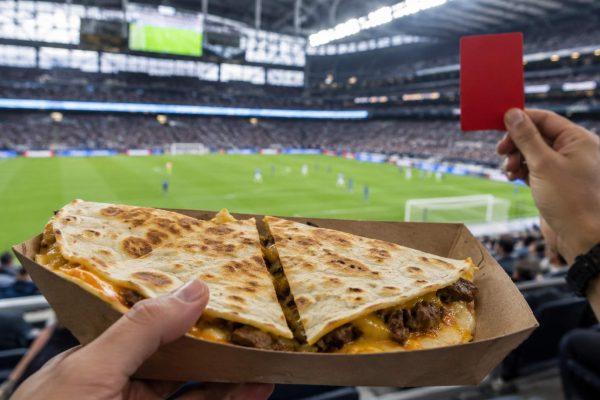
A single quesadilla—a simple Tex-Mex staple that typically costs a fraction of the price at local taquerías—has been reported at $20 inside the venue. Social media posts from fans at the stadium show receipts and photos of the overpriced dish, with many calling it a “red card” for organizers. The backlash has been swift and widespread, with consumer advocacy groups and travel agencies warning visitors to eat before entering the stadium or seek out off-site dining options.
Price Gouging or Standard Practice?
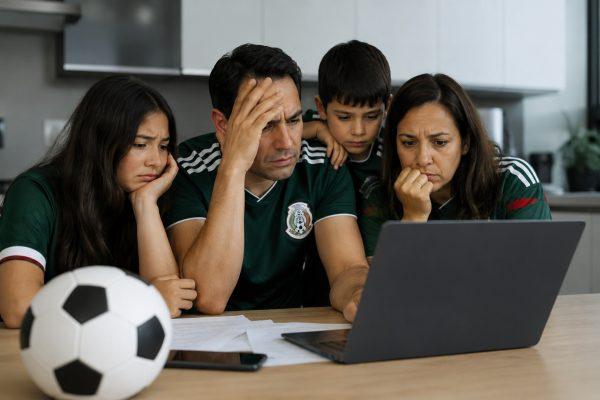
While inflated food prices at major sporting events are nothing new, the scale of the markup at AT&T Stadium has drawn particular ire. Verified reports indicate that other items, such as loaded brisket nachos, specialty burritos, and soft drinks, are priced at double or triple what they cost during regular NFL games. For many fans, this represents a significant financial burden, especially for families attending group stage matches.
“We’re talking about a $20 quesadilla that you can get for $5 at any taquería in Oak Cliff,” said one fan from México City, who traveled to Dallas for the tournament. “It’s not just expensive—it feels disrespectful to the fans who spent thousands to be here.”
The situation has also highlighted a stark contrast between U.S. host venues and those in México, where co-host stadiums offer more competitive food and beverage bundles. Industry analysts note that while Mexican venues keep prices reasonable, American stadiums—particularly in the South and West Coast—dominate the highest cost tiers of the tournament.
Pressure Mounts on FIFA and Stadium Management
The backlash has not gone unnoticed by local organizing committees and FIFA executives. Social media complaints have generated direct pressure on these groups, who must balance corporate revenue targets with fan accessibility. Sports marketing consultants warn that hyper-inflated pricing for basic food items erodes long-term brand equity for host cities and alienates working-class fans.
“This isn’t just about a quesadilla—it’s about the message it sends to the global football community,” said a consultant quoted in industry reports. “If you price out the very fans who make the World Cup special, you risk damaging the tournament’s reputation for years to come.”
Corporate concession syndicates have defended the elevated rates by citing structural overhead and tournament licensing fees. However, global consumers continue to demand price cap models that mirror the affordable structures used in secondary tournament markets.
For Latino fans, many of whom have deep ties to the sport and its culture, the issue hits close to home. The World Cup is a celebration of football, but it’s also a reflection of the communities that host it. In Dallas, a city with a vibrant Mexican-American population, the high prices feel like a betrayal of the inclusive spirit that football represents.
As the tournament continues, fans are advised to plan ahead. For those attending matches at AT&T Stadium, local restaurants like those featured in this viral TikTok story offer affordable alternatives. Meanwhile, workers at other venues, such as SoFi Stadium, have secured wage hikes to avoid strikes, as reported in this update. The debate over affordability is likely to continue as more matches unfold across North America.