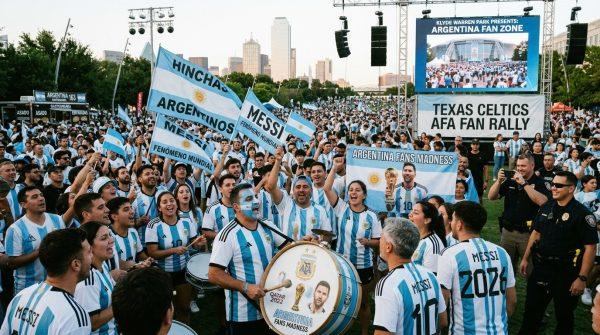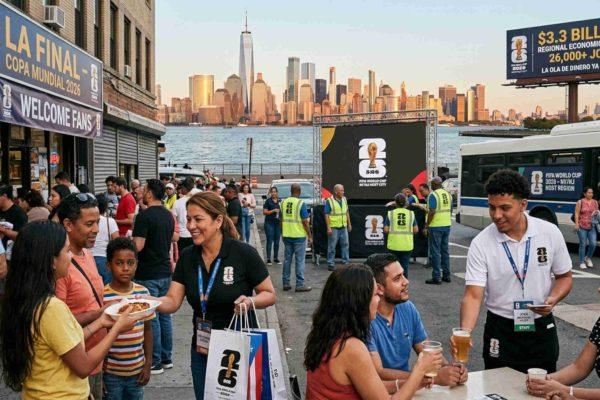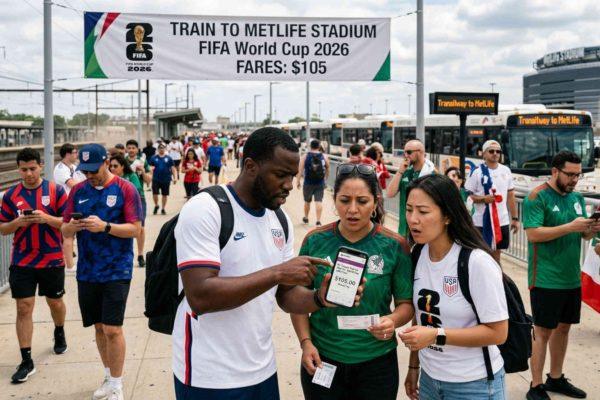
For many Latino families in the New York area, the 2026 World Cup was supposed to be a once-in-a-lifetime chance to see the world's best players without crossing an ocean. But the dream of catching a match at MetLife Stadium is hitting a harsh reality: getting there by train will cost $105 round-trip, nearly eight times the usual $13 fare for the same 15-minute ride from Manhattan.
NJ Transit's special pricing for the tournament has sparked frustration among fans who remember earlier promises of free transportation. The original agreements between FIFA and local authorities included clauses for complimentary transit, but those were scrapped as security and operational costs mounted. Now, supporters must buy tickets in advance through the official NJ Transit platform, with no walk-up option available.
A Heavy Burden for Latino Communities
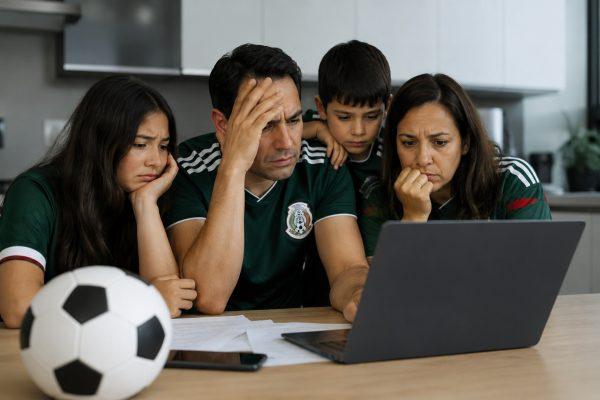
For families in neighborhoods like Washington Heights, Jackson Heights, or the Bronx, where soccer is a cultural lifeline, the added expense could mean choosing between attending a match and covering other essentials. “It's not just about the ticket price,” says María Torres, a soccer mom from Queens who planned to take her two kids to a group-stage game. “We were already saving for months. This train fare feels like a penalty.”
The limited capacity of the transit system only adds to the pressure. MetLife Stadium seats 82,500, but the train and shuttle buses can handle only a fraction of that. Alternatives are equally pricey: $20 shuttle buses with restricted space, or $225 parking at the American Dream Mall. With general parking banned near the stadium and no pedestrian routes from Manhattan, fans have few cheap options.
FIFA defends the pricing, arguing that the renegotiated agreements reflect the true cost of running extra services. But critics point out that the 2026 World Cup is expected to generate billions in revenue. “This is a multibillion-dollar event,” says Dr. Elena Rivas, a sports economist at the University of Buenos Aires. “It's absurd that fans—many of whom are working-class Latinos—should bear the brunt of logistics that organizers should cover.”
The situation echoes broader concerns about the tournament's impact on Latino communities. As we reported in our coverage of the tourism crisis, hotels across the U.S. are facing job losses that disproportionately affect Latino workers. Meanwhile, extreme heat at stadiums poses another risk for fans who may already be stretched thin.
For now, fans are left to plan meticulously. Some are considering watching matches from local bars or community centers instead of traveling to East Rutherford. Others are forming carpools or booking shuttle buses weeks in advance. The success of the 2026 World Cup in New York may depend less on the action on the pitch and more on how well fans navigate this costly transit maze.
As the tournament approaches, one thing is clear: the promise of a people's World Cup has been replaced by a pay-per-ride reality. For Latino fans who have long made soccer a communal celebration, the price of admission now includes a steep commute.