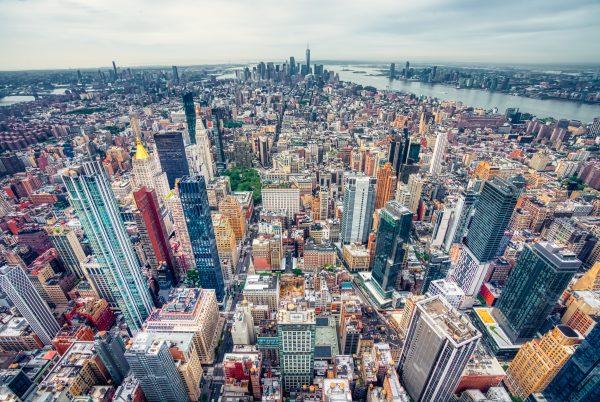
New York City's housing affordability crisis is reaching a critical point for the city's Latino communities. The Rent Guidelines Board (RGB) has approved preliminary rent increase ranges of up to 4% for two-year leases and up to 2% for one-year renewals, sparking widespread concern among tenants and activists who argue that any hike pushes working families closer to the edge.
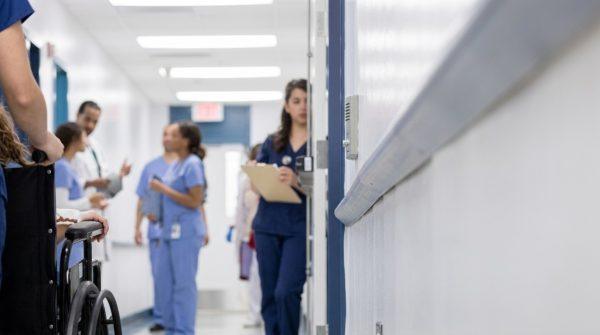
For many Latino New Yorkers—who make up a substantial share of residents in rent-stabilized apartments—this isn't just a policy debate; it's a daily struggle against displacement and gentrification. From Washington Heights to Bushwick, the threat of higher rents compounds existing pressures from inflation, stagnant wages, and the rising cost of living. Tenant advocacy groups are calling for a total rent freeze, insisting that even modest increases are unsustainable for essential workers like nurses, delivery drivers, and restaurant staff.
The Balancing Act Between Affordability and Building Maintenance
The RGB's proposal reflects a delicate—and contentious—balance. Landlords argue that without some increase, they cannot cover rising costs for property taxes, insurance, and basic maintenance in aging buildings. They warn that a freeze could lead to deteriorating conditions, especially in older housing stock that many Latino families call home. On the other hand, housing rights advocates counter that any additional burden on tenants risks pushing them into precarious situations, including eviction or displacement to cheaper, often less accessible neighborhoods.
This tension is particularly acute in neighborhoods like El Barrio in East Harlem, Corona in Queens, and Sunset Park in Brooklyn, where Latino communities have deep roots but face mounting economic pressures. The debate underscores the fragility of the regulated housing system, which was designed to protect tenants but now struggles to keep pace with the city's soaring real estate market.
Mayor Zohran Mamdani, who has influenced the RGB's new composition, has signaled openness to dialogue. In recent statements, he urged New Yorkers to participate in upcoming public hearings, emphasizing that tenant testimonies are crucial to shaping the final decision. Yet, for many in the Latino community, words alone are not enough. Protests have already begun, with organizers demanding concrete action to prevent a repeat of past rent spikes that accelerated displacement.
What's at Stake for the Latino Community
The stakes are high. According to recent data, Latino households in New York City spend a disproportionate share of their income on rent, often exceeding the recommended 30% threshold. A 4% increase could mean hundreds of dollars more per year—money that might otherwise go toward food, healthcare, or education. For families already living paycheck to paycheck, the margin for error is razor-thin.
This crisis is not isolated to New York. Across the country, Latino families are grappling with similar affordability challenges, as seen in Florida's affordability crisis driving Latino families out of the Sunshine State. The parallels highlight a broader trend: the erosion of affordable housing in major urban centers where Latino communities have historically found opportunity and stability.
Next Steps: Public Hearings and Final Vote
The RGB will hold a series of public hearings in the coming weeks, culminating in a final vote on June 25. These hearings are a critical opportunity for tenants, landlords, and advocates to make their voices heard. The mayor has encouraged widespread participation, framing the decision as a test of the administration's commitment to affordable housing and its campaign promises.
As the city waits, tenant organizations are mobilizing. From community meetings in the Bronx to rallies in Lower Manhattan, the message is clear: New York must remain a place where working-class families can afford to live. The final decision will not only affect rent prices but also signal whether the city can balance the needs of its diverse population with the economic realities of property ownership.
For now, the Latino community watches closely, knowing that the outcome will shape the future of neighborhoods that have long been cultural and economic anchors. The fight for housing justice is far from over, but the next few weeks could determine whether New York remains a city of dreams or becomes one of displacement.